Tokyo, Japan – March 20, 2025 – Japan’s Mitsubishi Motors, a junior partner of Nissan Motor, is reportedly planning to outsource the production of electric vehicles (EVs) to Taiwan-based electronics contract manufacturer Foxconn (Hon Hai Precision Industry), according to a report by Kyodo News on Thursday. This move signals a potential reshaping of the automotive industry, with implications for both Japanese automakers and the burgeoning EV supply chain.
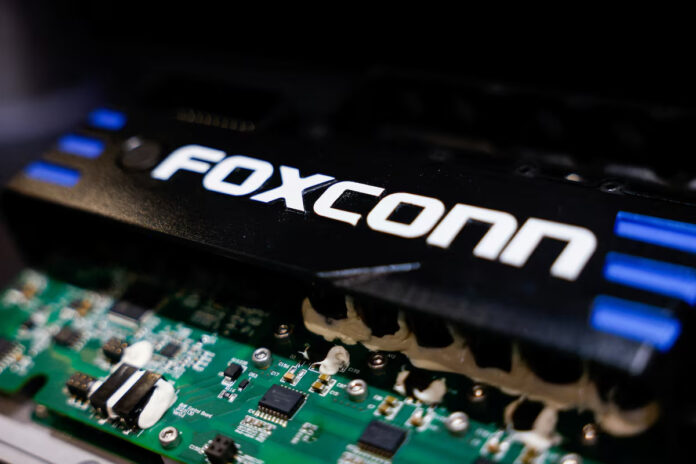
The reported outsourcing strategy aims to help Mitsubishi Motors reduce production costs and accelerate the development of its product lineup. Simultaneously, Foxconn, a global leader in electronics manufacturing and a key supplier to Apple, is seeking to establish a stronger foothold in the automotive sector and collaborate on EV projects with both Nissan and Honda.
Strategic Rationale and Foxconn’s Ambitions
The move highlights a growing trend among automakers seeking to leverage the expertise and cost efficiencies of contract manufacturers to navigate the rapidly evolving EV market. Foxconn’s involvement isn’t merely about production; it represents a broader ambition to become a significant player in the EV ecosystem. The company has publicly stated its desire to diversify beyond its traditional role as an electronics supplier and actively participate in the design, manufacturing, and potentially even the branding of electric vehicles.
Previously, Foxconn indicated its intention to consider taking a stake in Nissan to facilitate deeper collaboration. This potential investment underscores the seriousness of Foxconn’s commitment to the automotive sector and its desire to be more than just a contract manufacturer. The company’s vast manufacturing capabilities, coupled with its expertise in electronics and software integration, position it as a compelling partner for automakers seeking to accelerate their EV development and production.
Mitsubishi Motors’ Response and Future Collaboration
While the report has generated considerable buzz, Mitsubishi Motors has adopted a cautious stance. The company stated that it did not provide the information and will continue to “explore collaboration opportunities with various partners to achieve sustainable growth.” This response, while non-committal, doesn’t deny the possibility of future partnerships.
The potential collaboration extends beyond production. Mitsubishi Motors is reportedly engaged in discussions with both Honda and Nissan regarding the development of EV software. This joint effort, expected to be formally announced before the end of March, suggests a broader strategy to share resources and expertise in the increasingly complex realm of automotive software.
Nissan’s Openness to New Partnerships
The backdrop to this potential collaboration is the recent collapse of a proposed merger between Honda and Nissan. Following the failed merger, sources have indicated that Nissan is actively seeking new partnerships to bolster its EV strategy. This openness to collaboration makes Foxconn a particularly attractive prospect, given its manufacturing capabilities and ambition to become a key player in the EV market.
Foxconn’s Previous Hints and Timeline
Last week, Foxconn executives hinted at an impending EV deal with an unspecified Japanese automaker during a quarterly earnings conference. They anticipated signing the agreement within two months, aligning with the current timeline surrounding the reported discussions with Mitsubishi Motors.
Implications for the Automotive Industry
This potential partnership has significant implications for the automotive industry, particularly in Japan. It signals a shift towards greater reliance on contract manufacturers and a willingness to embrace new collaborations to navigate the challenges of the EV transition.
- Cost Optimization: Outsourcing production can significantly reduce manufacturing costs, allowing automakers to invest in research and development and improve vehicle affordability.
- Accelerated Innovation: Collaboration with technology-driven companies like Foxconn can accelerate the development of new EV technologies and features.
- Increased Competition: The entry of new players into the automotive supply chain can intensify competition and drive innovation.
- Reshaping Supply Chains: The move highlights a potential reshaping of automotive supply chains, with greater reliance on contract manufacturers and a more globalized approach to production.
Foxconn’s Statement and Future Outlook
Despite the widespread reports and speculation, Foxconn has refrained from making any official comment on the potential partnership with Mitsubishi Motors. This cautious approach is typical of large corporations involved in sensitive negotiations.
The success of this potential collaboration will depend on several factors, including the ability of the companies to align their cultures and objectives, protect intellectual property, and ensure the long-term stability of the partnership.
Conclusion
The reported plan for Mitsubishi Motors to outsource EV production to Foxconn represents a pivotal moment in the automotive industry. It underscores the growing importance of contract manufacturing, the ambition of technology companies to enter the automotive sector, and the willingness of Japanese automakers to embrace new collaborations to navigate the challenges of the EV transition. The coming months will be crucial in determining the scope and ultimate success of this potential partnership, which could reshape the landscape of the automotive industry for years to come.