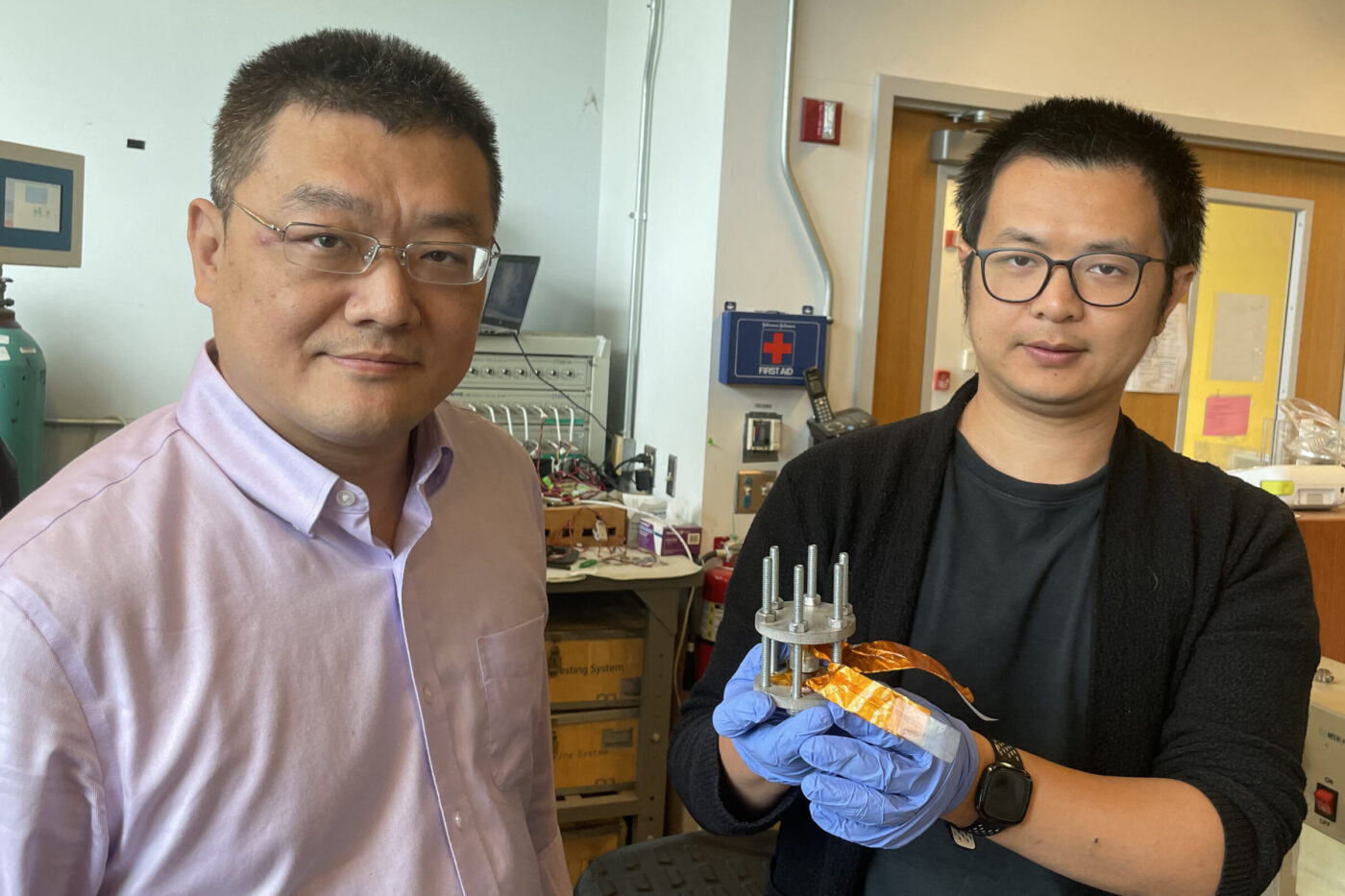
In a remarkable development shedding light on the future of energy storage, researchers at the Georgia Institute of Technology in Atlanta have unveiled a low-cost cathode material for solid-state batteries that could transform the landscape for electric vehicles (EVs) and large-scale energy storage solutions. The innovative approach features ferric chloride (FeCl3) as the primary cathode material, presenting an eco-friendly alternative to conventional options that typically rely on expensive and less sustainable materials.
The research, led by Dr. Hailong Chen, an associate professor at Georgia Tech’s Woodruff School of Mechanical Engineering and School of Materials Science and Engineering, has revealed that FeCl3 can achieve performance metrics comparable to or superior to well-established cathode materials while costing only 1-2% of current prices. This pivotal study was articulated in a paper published in the prestigious journal Nature Sustainability, titled “Low-cost iron trichloride cathode for all-solid-state lithium-ion batteries.”
The Advantages of FeCl3 in Battery Technology
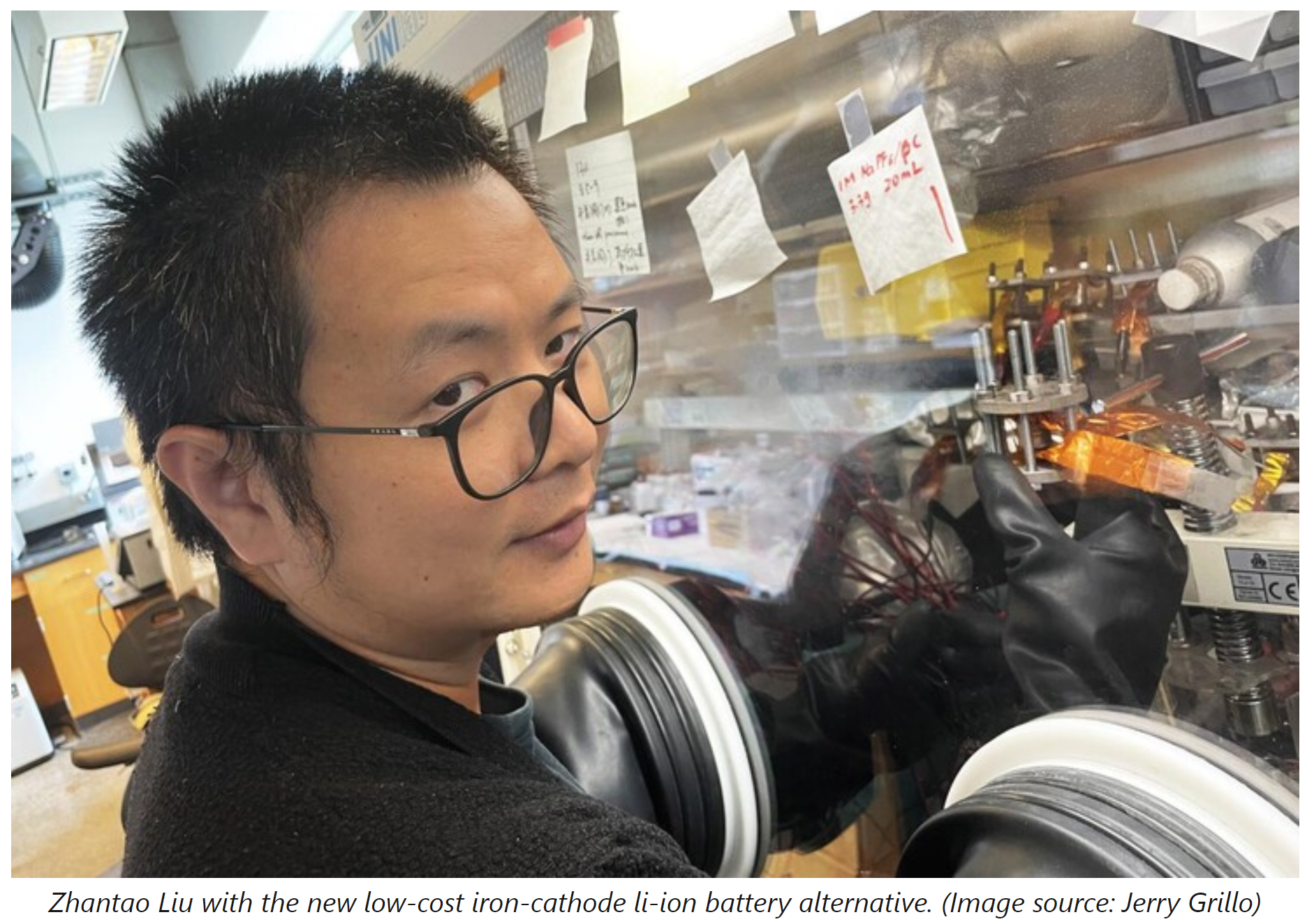
The transformative cathode material, iron chloride (FeCl3), is derived from abundant elements: iron and chlorine. This initiative significantly reduces the dependency on metals like nickel and cobalt, which are not only costly but also provoke concerns regarding their supply chain sustainability and environmental ramifications. Dr. Chen highlights that employing such a cost-effective material could lead to substantial reductions in the overall costs of electric vehicles, potentially rendering them cheaper than conventional internal combustion engine vehicles.
“Our cathode can act as a catalyst for change in the battery market,” Chen emphasized. “The integration of FeCl3 could bolster the resilience of the electrical grid and open new avenues for large-scale energy storage.”
The researchers believe that this technology could achieve commercial viability for electric vehicles in under five years, contingent upon further testing and refinement of the properties associated with this innovative cathode material.
Improving Battery Performance and Sustainability
Solid-state lithium-ion batteries (LIBs) demonstrate superior advantages over traditional LIBs. The latter utilizes liquid electrolytes that can leak and present fire hazards, while all-solid-state batteries capitalize on solid electrolytes enhancing efficiency and safety. The research team has successfully incorporated a lithium metal anode, a solid electrolyte, and the FeCl3 cathode into a cohesive battery framework designed to substantially decrease costs — estimates range from 30-40% less than contemporary LIB pricing.
The efficiency of battery materials is crucial for critical aspects such as capacity, energy, overall efficiency, and performance. Initial findings indicate that FeCl3 not only meets the requisite demands but also provides a higher operational voltage compared to widely-utilized lithium iron phosphate (LiFePO4 or LFP) batteries.
“Greater energy storage capabilities equate to longer functional periods between charges, which is vital for consumer electronics and electric vehicles alike,” Dr. Chen elaborated.
The Path Toward Commercialization and Its Impact on the EV Marketplace
With battery costs constituting roughly half of an electric vehicle’s total expenses, the ramifications of this research are immense. By utilizing a material that is not only economically feasible but also constituted from readily available elements, Chen’s team stands poised to make electric vehicles increasingly accessible to a broader consumer base.
This study has captured the interest of numerous stakeholders, ranging from automotive manufacturers to energy firms seeking sustainable and cost-efficient battery solutions. The commitment toward refining the technology emphasizes the need for multidisciplinary collaboration as ongoing efforts will target perfecting the materials in the laboratory while decoding their underlying operational mechanisms — all aiming to expedite commercialization.
Furthermore, collaboration within this research spans a network of institutions, including the Oak Ridge National Laboratory and the University of Houston, exemplifying the cooperative approach required to tackle the pressing challenges of advanced battery technology.
Envisioning a Greener, Sustainable Future
Given the global shift toward green energy and sustainable practices, advancements in battery development are critical. The experiences and findings from Dr. Chen’s team underscore the potential for revolutionizing battery technology across the industry while contributing to efforts for a more sustainable energy future. The utilization of FeCl3 as a cathode material not only marks a significant milestone in solid-state battery commercialization but also charts a course toward diminished reliance on scarce and environmentally detrimental materials.
As we move forward, the innovation brought forth by utilizing ferric chloride in the formulation of solid-state batteries is positioned to act as a pivotal force in reshaping both the electric vehicle market and large-scale energy storage systems. By reducing overall costs, enhancing performance capabilities, and promoting sustainability, this breakthrough serves as an optimistic omen for sustainable energy solutions becoming a norm rather than an exception.
The implication of this research echoes beyond just batteries; it melds into a greater narrative regarding energy autonomy, ecological responsibility, and the ability to foster innovations that shape a cleaner future. If successfully commercialized, this low-cost, high-performance cathode development might set the precedent for future innovations and collaborations that drive the EV and energy sectors toward more sustainable paradigms.