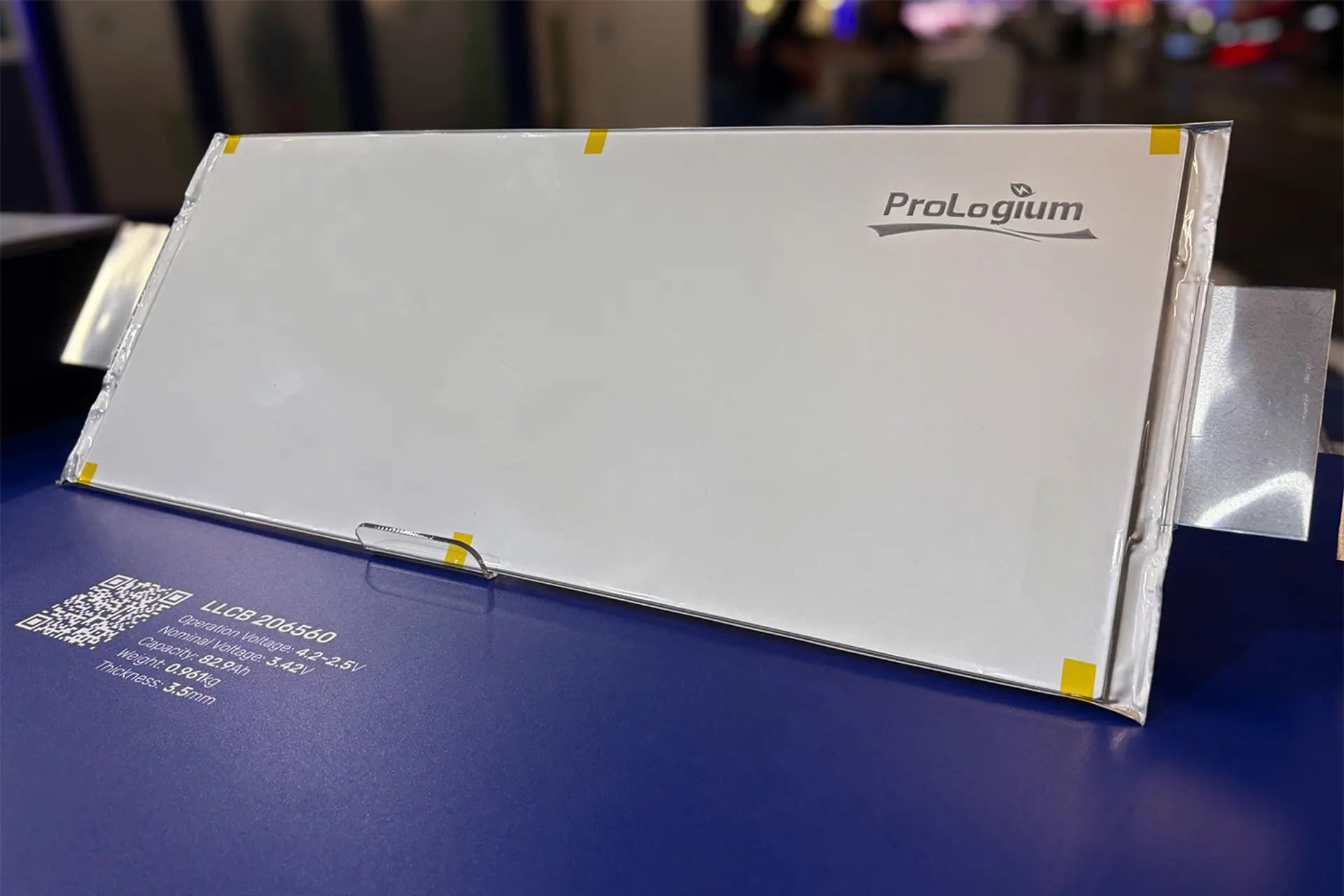
According to Bloomberg, Apple secretly collaborated with Chinese automaker BYD to develop long-range electric vehicle (EV) battery technology as part of Apple’s now-canceled Apple Car project. The partnership, which began around 2017, focused on developing a cutting-edge battery system using lithium iron phosphate (LFP) cells. The goal was to create batteries that offered longer range and improved safety compared to conventional EV batteries at the time.
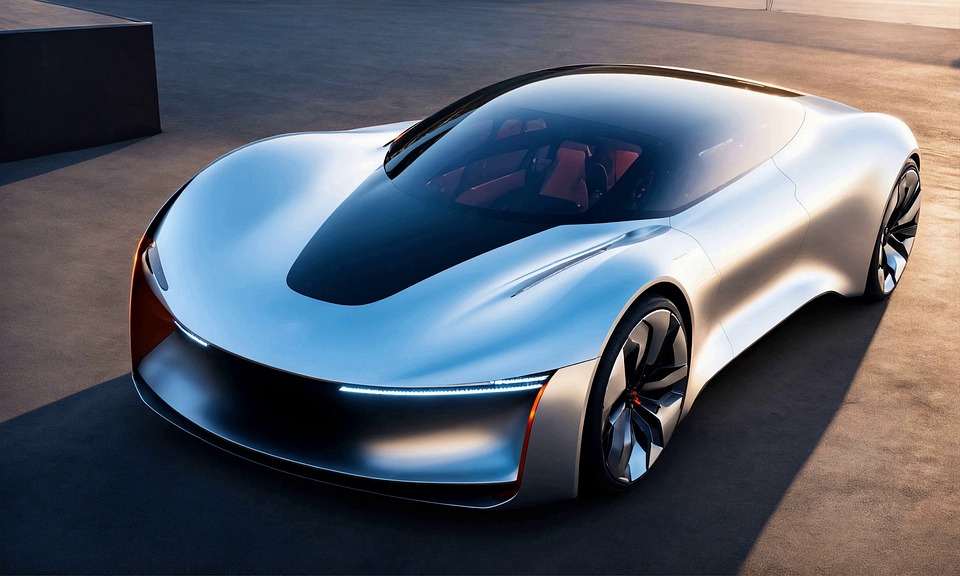
Apple brought expertise in advanced battery packs and heat management systems, while BYD contributed its manufacturing experience and advancements in LFP cell technology. Despite significant progress, the collaboration was ultimately shelved when Apple decided to cancel its car project earlier in 2024.
Apple Car’s Battery Technology Collaboration
The Apple Car project, once a heavily funded initiative, saw Apple investing approximately $1 billion annually over the past decade. Although Apple no longer holds any rights to the technology used in BYD’s current Blade battery, insiders suggest that the partnership influenced BYD’s subsequent battery developments.
The project was led by Alexander Hitzinger on Apple’s side, a key figure who oversaw the development of advanced vehicle technologies at the company. The battery team consisted of about 50 engineers, managed by Mujeeb Ijaz, a seasoned expert in battery technology. On the BYD side, their efforts were spearheaded by Michael He, the company’s vice president of battery business.
Despite the close collaboration between the two companies, Apple eventually shifted its focus away from the partnership with BYD, exploring alternative battery systems from other suppliers. In February 2024, Apple executives made the difficult decision to cancel the Apple Car project, concluding that it was not a viable business venture.
Transition Away from BYD
While Apple’s car ambitions were ultimately curtailed, the company’s work on battery technology left a lasting impact on its product development in other areas. Apple’s involvement in the joint project reportedly helped improve its understanding of LFP battery systems, which are known for their high safety standards and cost-effectiveness.
Though the Apple Car never came to fruition, the expertise gained in this collaboration with BYD is said to have contributed to other Apple innovations. Specifically, the company integrated some of its learnings into products like the Vision Pro headset and the Neural Engine AI processor, enhancing their energy efficiency and performance.
The Broader Impact of Apple’s EV Battery Efforts
This collaboration between Apple and BYD, though not widely publicized, is a testament to Apple’s ambitious efforts in battery technology. The focus on LFP batteries, which are safer and more cost-effective than other battery chemistries, reflects Apple’s commitment to advancing sustainable and efficient energy solutions, even in projects that don’t see the light of day.
LFP cells have become increasingly popular in the EV industry, particularly in China, where cost and safety considerations are paramount. BYD’s Blade battery, which is considered one of the most advanced LFP solutions on the market, may not directly stem from Apple’s involvement, but the years of joint development are believed to have played a role in its evolution.
Conclusion
While the Apple Car project is now officially canceled, the behind-the-scenes collaboration between Apple and BYD highlights the former’s serious exploration into the EV battery space. Even though Apple ultimately decided against entering the automotive market, its efforts in battery technology continue to influence the company’s product lines and research directions.
As Apple shifts its focus to other ventures, the lessons learned from its EV battery project may still bear fruit in future technological innovations, positioning the company to make strides in energy efficiency and sustainable tech development.