Tesla, the leading electric vehicle (EV) and energy storage company, experienced a slight decrease in energy storage deployments in the second quarter (Q2) of the year. The company deployed 3.7 gigawatt-hours (GWh) of energy storage in Q2, which represents a 6% decline compared to the 3.9 GWh deployed in the previous quarter. However, despite the quarterly dip, Tesla’s energy storage deployments showed significant annual growth of 222% in Q2.
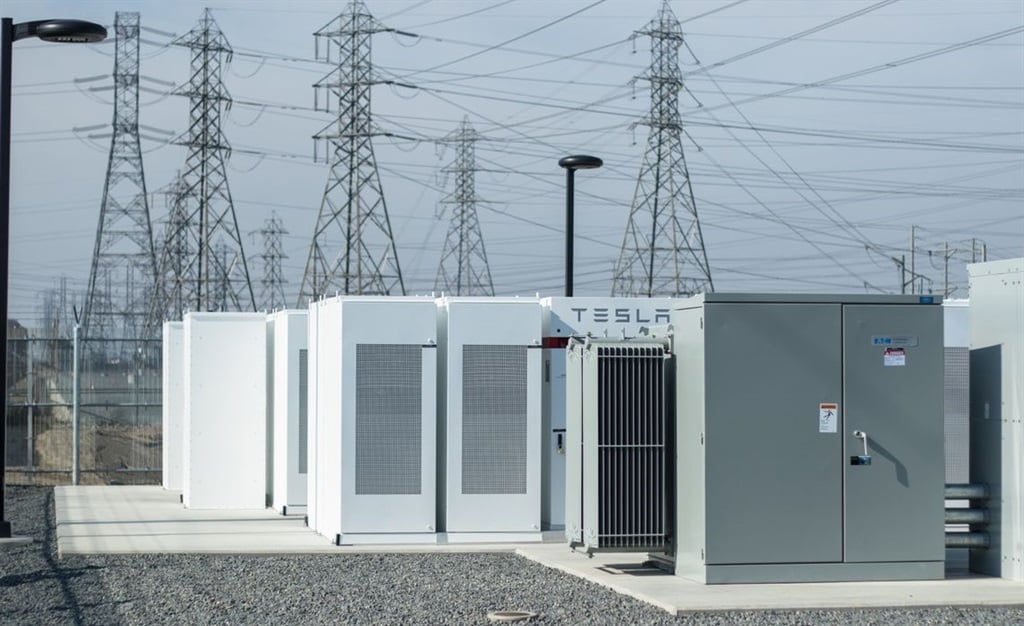
Tesla attributed the year-on-year growth to the ongoing expansion of its first factory dedicated to utility-scale battery energy storage systems, known as Megapack. The Megapack factory, located in Lathrop, California, is ramping up production and is expected to have an annual capacity of 40 GWh. The strong annual growth in energy storage deployments reflects the increasing demand for Tesla’s Megapack globally.
CFO Zachary Kirkhorn addressed the quarter-on-quarter decline in energy storage deployments during an earnings call. He suggested that the decrease might be due to specific large projects that deviated from the broader trend. According to Kirkhorn, storage volumes can be volatile from quarter to quarter, depending on project types and revenue recognition milestones.
Despite the slight decrease in energy storage deployments, Tesla remains optimistic about the demand for Megapack and the future of its energy storage business. The company stated that Megapack continues to experience strong demand worldwide, with the Lathrop facility successfully ramping up production to meet contracted projects in 2023. Tesla aims to achieve reasonable profit margins for Megapack, aligning with its target market and the margins it targets for its vehicle business. The construction of a second final assembly line at the Lathrop facility is progressing as planned, which will eventually double its capacity ahead of a full factory ramp in 2024.
Tesla is also nearing completion on several significant energy storage projects, including the 565 megawatt-hour (MWh) Kapolei project in Hawaii and the 300 MWh Riverina project in Australia. These projects contribute to the company’s growing energy storage portfolio and showcase its commitment to expanding its presence in the global energy storage market.
Furthermore, Tesla’s overall margins experienced a decrease, although not as significant as analysts had anticipated. The company strategically reduced prices of its electric vehicles to maintain its market share, which impacted overall margins. Despite this, Tesla’s earnings per share in Q2 were $0.91, exceeding estimates of $0.79. Additionally, the company’s revenue reached $24.97 billion, surpassing analyst predictions of $24.7 billion.
In summary, while Tesla witnessed a slight quarter-on-quarter dip in energy storage deployments in Q2, its annual growth in this sector remained strong at 222%. The company is actively expanding its Megapack production capacity and successfully meeting contracted projects. Tesla is confident in the demand for its energy storage solutions and continues to invest in large-scale projects globally. Despite some margin reduction driven by EV price reductions, Tesla’s financial performance in Q2 exceeded analysts’ expectations.