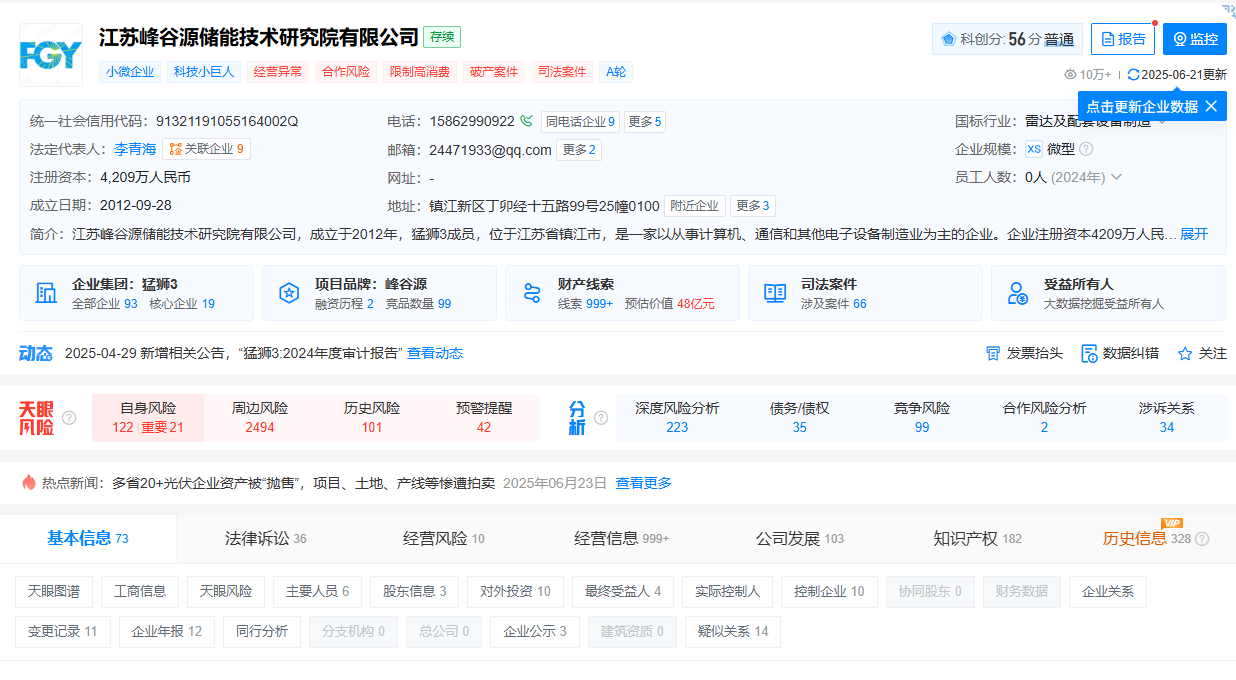
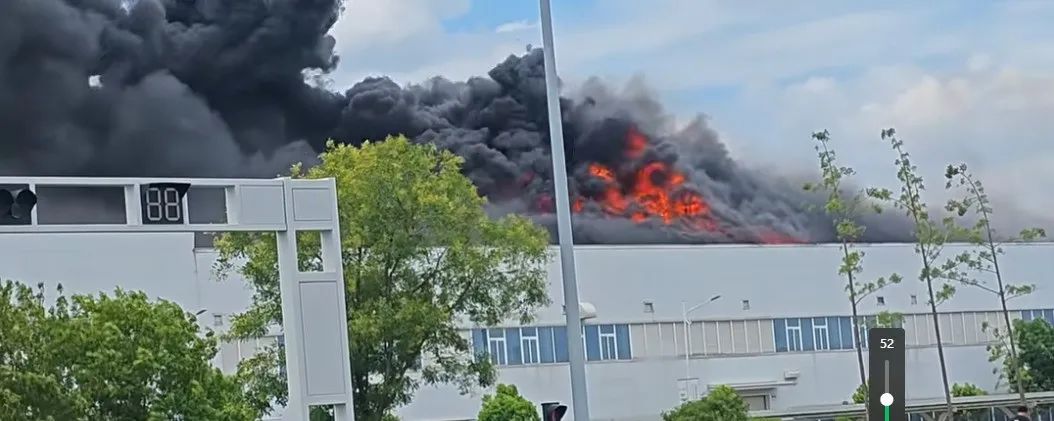
According to PV Watch, a rooftop fire broke out at the Gotion Energy manufacturing base in Changzhou’s Jintan District on the afternoon of July 21, sending thick plumes of smoke into the sky and drawing widespread attention from passing residents and online observers.
The incident occurred at around 2:00 PM, prompting an immediate public response. Gotion Energy quickly issued a statement clarifying that the fire originated from the solar photovoltaic (PV) panels installed on the roof of Phase I of their Jintan production facility. Fortunately, the fire was extinguished the same day without any injuries or fatalities, and the main structural integrity of the facility was not affected.
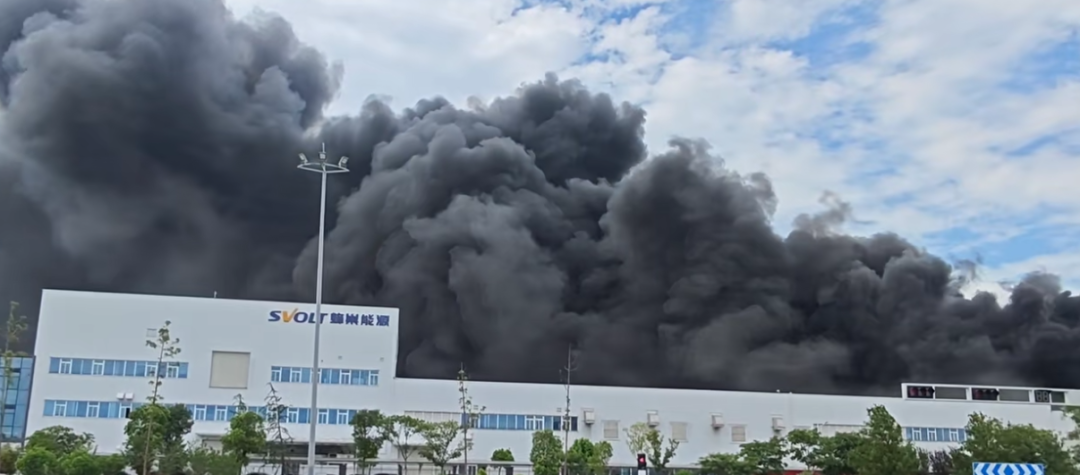
Fire Source Identified: Rooftop Solar Panels
Initial investigations by the company suggest the fire was triggered by the rooftop solar installation, although the exact cause—whether electrical fault, overheating, or equipment aging—is still under further assessment.
The local fire brigade responded rapidly, managing to contain the flames within approximately 30 minutes, according to official sources. Their swift response was crucial in preventing the fire from spreading to production lines, storage areas, or adjacent facilities.
The incident has once again sparked discussions about the fire safety of rooftop PV installations, especially in industrial environments where high energy loads and equipment density add to potential risks.
About Gotion Energy: A Rising Star in the Battery Sector
Gotion Energy (formerly known as SVOLT Energy) is one of China’s fastest-growing energy storage and battery manufacturers. Established in 2018, the company was spun off from Great Wall Motors’ battery division, and its headquarters are located in Jintan District, Changzhou, Jiangsu Province.
Gotion’s business portfolio spans the research, development, manufacturing, and sales of lithium-ion battery cells, battery modules, complete battery packs, and energy storage systems. Its products are widely used in electric vehicles (EVs) and stationary energy storage applications.
Over the years, Gotion Energy has built strategic partnerships with several top-tier automakers, including:
- Great Wall Motors
- Geely Auto
- Li Auto (LiXiang)
- Xpeng Motors
These collaborations have positioned Gotion as a key player in China’s new energy vehicle (NEV) supply chain, competing with industry giants like CATL and BYD.
Rooftop PV Fires: A Growing Industrial Safety Concern
As part of its broader sustainability strategy, Gotion had installed rooftop solar panels to offset its electricity consumption and reduce carbon emissions. However, this fire incident has highlighted potential vulnerabilities in rooftop PV systems—especially in high-intensity manufacturing environments.
In recent years, China has seen a surge in the deployment of rooftop photovoltaic systems, driven by carbon neutrality goals and generous local subsidies. Industrial parks, in particular, have embraced PV to reduce grid reliance and improve ESG scores.
Yet, as more cases of solar panel fires emerge—due to faulty connections, inverter failures, thermal hotspots, or lack of maintenance—the need for enhanced safety protocols is becoming increasingly evident.
A 2023 industry report found that while solar modules themselves are rarely flammable, components such as junction boxes, wiring, and inverters can pose fire risks if not properly installed or monitored. In the case of Gotion Energy, the company’s ability to contain the incident without escalation reflects the efficacy of its emergency response procedures—but also serves as a wake-up call for the industry.
Official Response and Next Steps
In the aftermath of the incident, Gotion Energy announced a comprehensive safety inspection of its existing rooftop PV infrastructure and has committed to replacing or upgrading any components deemed hazardous.
The Jintan District Emergency Management Bureau also confirmed that the incident will be treated as a case study for other industrial facilities in the region, particularly amid ongoing heatwaves and high energy demand during the summer months.
According to internal sources, the company is now exploring:
- Enhanced thermal imaging and real-time monitoring systems for rooftop arrays
- Periodic third-party inspections of PV components
- Integration of smart grid isolation systems to instantly disconnect compromised units
- Training programs for factory staff on fire suppression and safety drills
Local authorities are expected to publish updated guidelines for rooftop PV installations in industrial zones by the end of the quarter.
Industrial Rooftops + Solar = Opportunity or Risk?
The Gotion incident underscores a broader issue faced by many industrial players: the balancing act between decarbonization goals and operational safety.
While rooftop PV offers clear benefits in terms of renewable energy generation, cost savings, and corporate sustainability, it also introduces new variables into factory environments where electrical systems are already complex and heavily loaded.
Safety experts argue that more rigorous risk assessments are needed before rooftop PV systems are installed, especially in factories dealing with flammable chemicals, lithium-ion battery production, or high-voltage machinery.
Insurance companies and compliance auditors are also reportedly re-evaluating their coverage standards and liability clauses for industrial PV deployments in light of such events.
Conclusion: A Warning, But Also a Lesson
Although the fire at Gotion Energy’s Changzhou plant was swiftly contained and caused no injuries or critical damage, it serves as a critical reminder of the importance of safety-first infrastructure planning—especially when combining new energy technologies with traditional manufacturing setups.
For Gotion, this may be a short-term disruption but also a long-term branding opportunity if the company leads the charge in developing next-gen PV safety standards for industrial use.
For the broader industry, the event is a cue to re-examine existing PV safety protocols, integrate real-time diagnostics, and promote cross-sector collaboration on fire prevention best practices.
As China’s energy transformation accelerates, every component—from solar panel to battery cell—must meet not just performance standards, but the highest thresholds of safety, reliability, and resilience. The lesson is clear: the future of green energy must be built not just on innovation, but also on vigilance and responsibility.