On December 3, 2025, sources reported that BYD has begun implementing an internal initiative called “Zero Defects” at its battery manufacturing facilities, aiming to standardize production and management processes to a higher level. This quality enhancement initiative marks a strategic transformation for the Chinese electric vehicle giant amid its global market expansion, though the “zero defects” goal itself has sparked industry discussion about its achievability.
Record-Breaking Battery Production
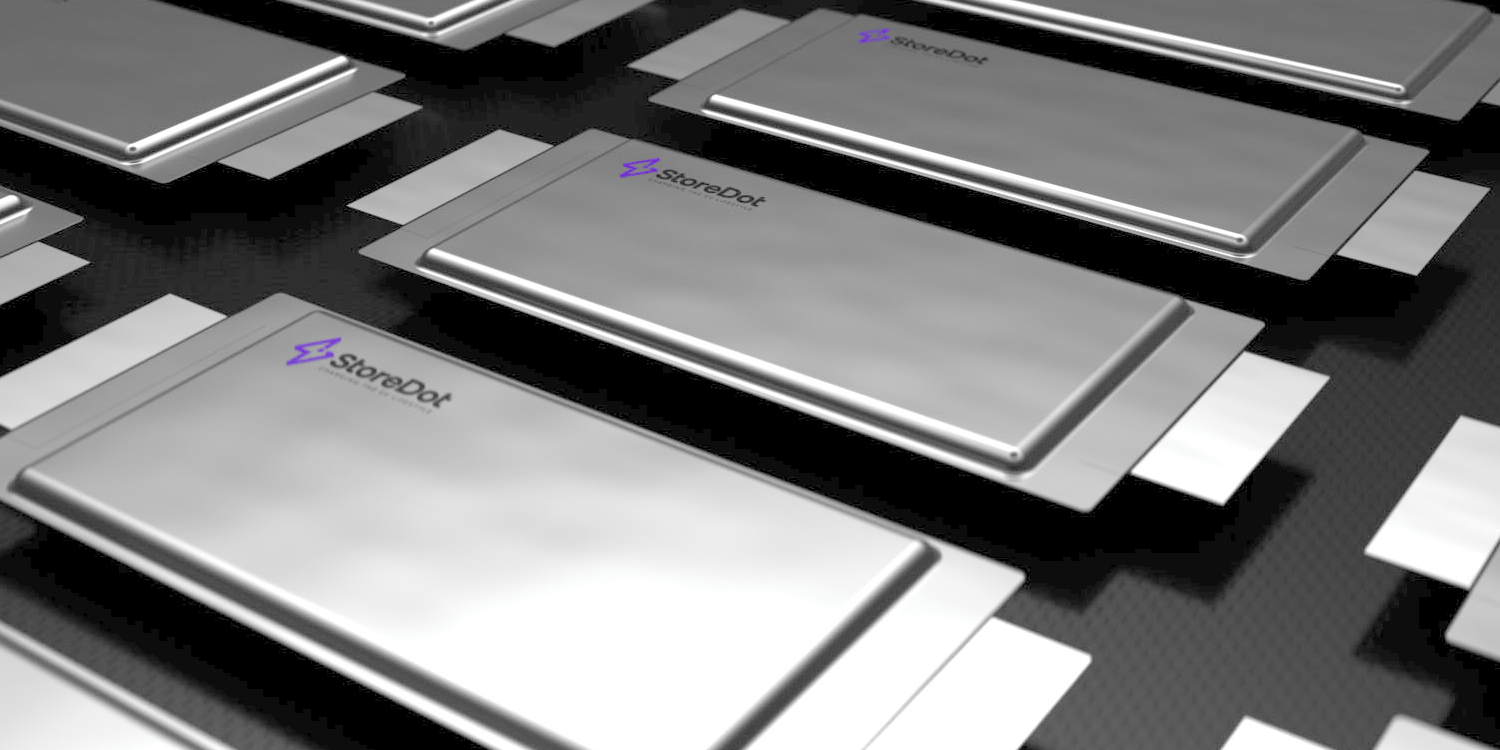
In the first three quarters of 2025, BYD’s domestic traction battery production reached 113.42 GWh, of which approximately 23.65 GWh (20.85%) was supplied to external customers. This represents a significant increase compared with prior years, when external supply accounted for single-digit percentages of total output.
According to industry data, BYD’s battery business has become one of the company’s fastest-growing segments. FinDreams Battery sales reached 28.4 GWh in 2023, up more than 136% year-on-year.
“Zero Defects” Program: Ambitious Yet Facing Practical Challenges
The plan, which started in the third quarter of 2025, focuses on minimizing defects across all stages of battery production, from manufacturing to customer service. Insiders indicated that the program aims to achieve zero defects throughout the battery lifecycle.
BYD will reportedly emphasize operational efficiency, error reduction, and standardization across manufacturing, process control, and customer service, with the end goal believed to be “management practices comparable to those of Toyota.”
However, from a manufacturing industry perspective, true “zero defects” is virtually impossible to achieve.
Even Toyota, renowned for lean production and quality management, operates under Six Sigma quality standards that target only 3.4 defects per million opportunities (99.99966% quality rate), not absolute zero defects. In large-scale battery manufacturing, zero defects becomes even more of an idealized goal when considering the following factors:
- Manufacturing Scale Challenges: Annual production of 113 GWh means millions of battery cells produced. At such massive production volumes, even extremely low defect rates will result in some number of non-conforming products.
- Supply Chain Complexity: Battery manufacturing involves multiple stages including raw material supply, chemical formulation, and precision assembly, with each stage presenting potential quality variation risks.
- Detection Technology Limitations: Despite advances in modern quality detection technology, certain latent defects may be difficult to detect completely during production and only manifest during usage.
- Statistical Reality: From probability and statistical perspectives, achieving absolute zero defects in mass manufacturing is mathematically nearly impossible.
Therefore, BYD’s “Zero Defects” program should be understood as a continuous improvement quality management philosophy and directional goal, rather than a literal promise of absolute zero defects. The essence is to reduce defect rates to industry-leading ultra-low levels through systematic quality management methods, not to achieve true zero.
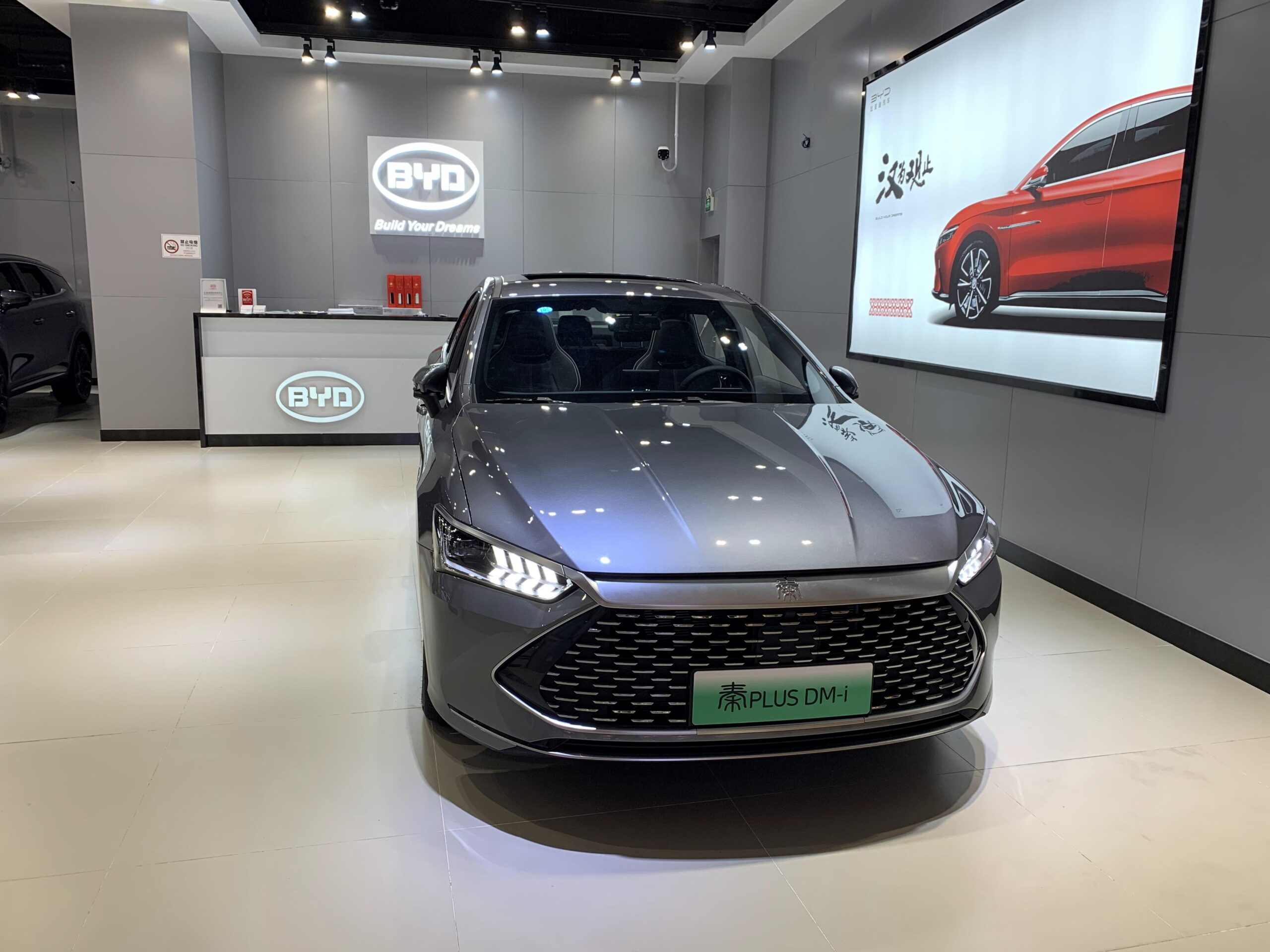
Notably, before launching the “Zero Defects Initiative,” the company conducted a software update campaign affecting 88,981 Qin Plus DM-i sedans manufactured between 2021 and 2023, addressing potential inconsistencies in battery pack manufacturing. This fact itself demonstrates that even an industry leader like BYD has had quality issues in past production requiring correction.
Strong Global Market Momentum
Despite the practical challenges facing the “zero defects” goal, BYD’s market performance in 2025 remains exceptional. Through Q3 2025, BYD’s cumulative pure electric vehicle sales reached 1.6059 million units, compared to Tesla’s 1.2179 million units, giving BYD a lead of approximately 388,000 vehicles.
In the European market, BYD has achieved breakthrough progress. Between January and July 2025, Tesla sales in the EU dipped by 43.5%, while BYD increased its sales by more than 200% in July and more than 250% during the first seven months. In April 2025, BYD sold more pure battery electric vehicles in Europe than Tesla for the first time ever.
Rapid Expansion of Battery Supply Business
Through its FinDreams Battery subsidiary, BYD has become a battery supplier to numerous major automakers. Manufacturers using LFP batteries produced by FinDreams Battery include Tesla, Toyota, Kia, Ford, Suzuki, Chery, Xiaomi, XPeng, Nio, FAW, JAC, Dongfeng Nissan, and others.
The partnership with Tesla is particularly noteworthy. In March 2024, FinDreams Battery became a cell supplier to Tesla’s energy storage manufacturing in China, starting to supply 20% of cells needed to produce Tesla’s Megapack from Q1 2025. Tesla’s Shanghai energy storage plant is designed to have an annual capacity of 40 GWh, meaning FinDreams’ annual supply would reach over 8 GWh at full production, with an annual order value of approximately 3.5 billion yuan based on industry prices.
Practical Significance of Quality Improvement
From a practical perspective, the true value of BYD’s “Zero Defects” program lies in:
1. Building a Culture of Continuous Improvement: By setting extremely high quality standards, driving company-wide quality awareness enhancement and establishing continuous improvement mechanisms.
2. Reducing Defect Rates to Industry-Leading Levels: Even without achieving absolute zero defects, reducing defect rates to ultra-low levels (such as parts per million) is sufficient to establish significant quality advantages in the market.
3. Enhancing Customer Confidence: Through systematic quality management, reducing product recalls and quality complaints, improving brand image and customer satisfaction.
4. Supporting Business Expansion: As external supply percentages increase, high quality standards help win trust and orders from more international customers.
Industry analysts note that as BYD diversifies its battery operations, consistency in product quality and management becomes critical to maintaining competitiveness. The “Zero Defects” program, as a quality management philosophy rather than an absolute target, remains highly significant for BYD’s long-term development.
Continued Technology Innovation
Beyond quality enhancement, BYD maintains its leadership in battery technology innovation. According to Chinese media, Sun Huajun, CTO of BYD’s battery business, stated at a solid-state battery forum event that the company had already produced its first solid-state cells with 20 Ah and 60 Ah on its pilot production line in 2024.
BYD expects to start “mass demonstration” of solid-state batteries around 2027, though large-scale production will require additional time.
Market Outlook and Prospects
Market research firm Counterpoint Research projects BYD will finish 2025 as the global electric vehicle sales leader with a 15.7% market share, cementing the Chinese manufacturer’s position at the top of the rapidly evolving EV industry.
Overall, BYD’s “Zero Defects” program should be understood as a quality management strategy pursuing excellence and a corporate culture-building initiative, rather than a literal promise of absolute zero defects. In manufacturing reality, using “zero defects” as a direction and driving force for continuous improvement, constantly reducing defect rates, and improving product quality and customer satisfaction—this is the core value of the program.
As electric vehicle and energy storage markets continue growing, BYD is reshaping the global battery supply chain landscape through its multi-dimensional strategy of capacity expansion, quality enhancement, and technological innovation. Whether its quality management level can truly approach or exceed standards of traditional automotive giants like Toyota will be tested in market competition over the coming years.