In a significant step towards achieving sustainable battery materials production, UK-based recycling specialist Altilium has entered into a strategic partnership with Australian battery materials company Talga Group. The collaboration aims to supply up to 16,000 tons of recycled graphite over three years, starting from 2026. This move underscores the growing importance of recycling critical raw materials in the transition to cleaner energy technologies.
A Landmark Agreement for Graphite Recycling
Under the terms of the agreement, Altilium will provide Talga with recycled graphite to support its innovative anode production projects in Europe and beyond. Initially, 2,000 metric tons of recycled graphite will be available in 2025 to facilitate pre-commercial sample production. The partnership marks a major milestone in the battery recycling industry, as it highlights the potential for reusing high-value materials like graphite, which is a key component in lithium-ion batteries.
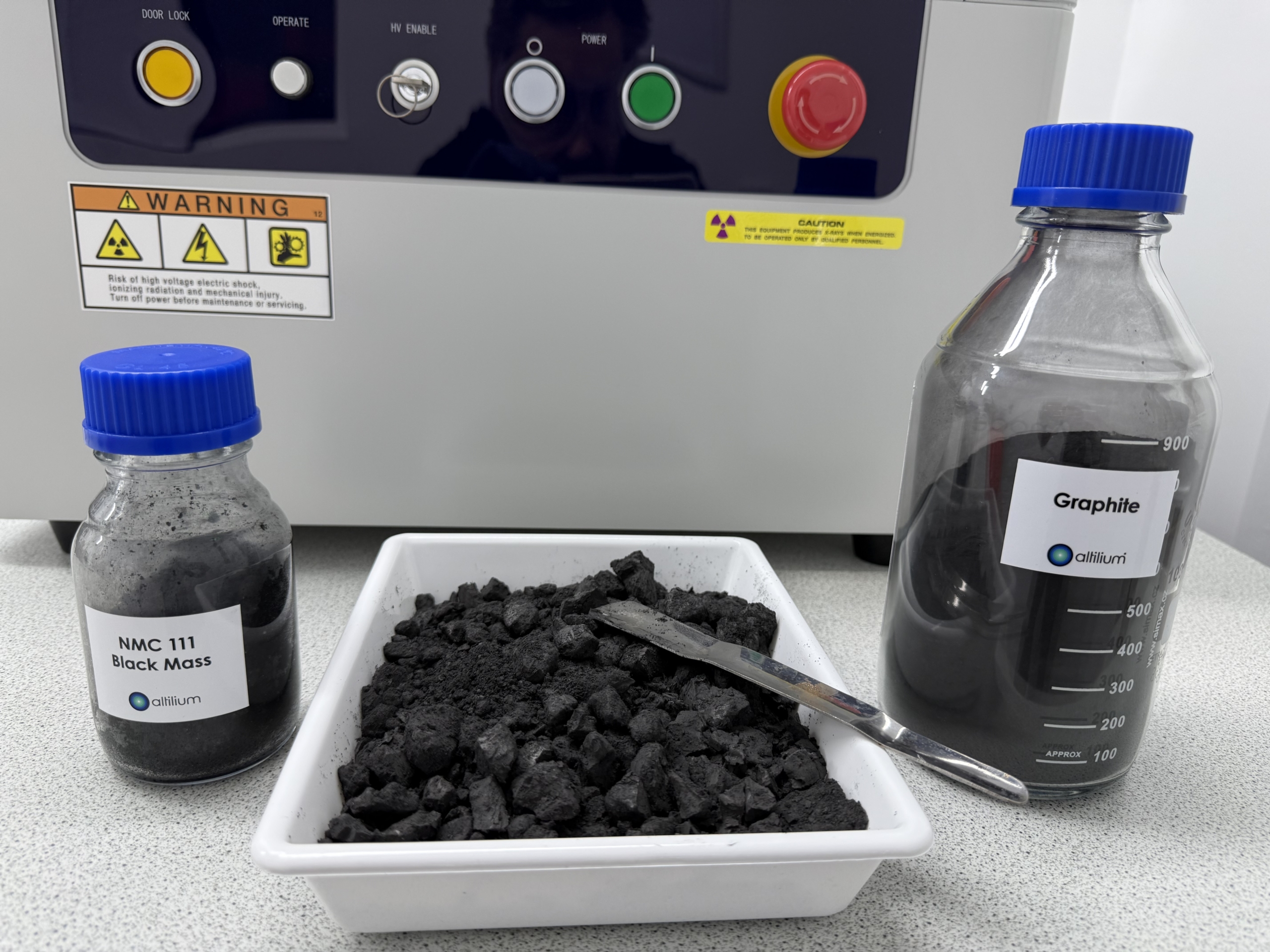
Graphite constitutes between 25-30% of most lithium-ion batteries and is classified as a critical raw material. Traditionally, the majority of graphite used in battery production has been sourced from China, where both mined and manufactured graphite contribute significantly to carbon emissions. Altilium’s advanced recycling process, however, can recover 99% of graphite from end-of-life batteries, reducing greenhouse gas emissions by an impressive 77% compared to traditional graphite production methods.
Innovative Processing and Sustainable Supply Chains
Talga Group CEO Martin Phillips emphasized the strategic importance of this collaboration. “Access to recycled graphite feedstock supports the expansion and diversification of Talga’s anode business,” he said. “This development also showcases our innovative process technology and complements the ongoing execution of our flagship natural graphite anode project.”
The partnership aligns with Altilium’s mission to create a fully circular supply chain for battery materials. Atilium COO Dr. Christian Marson noted that the collaboration not only reduces waste and emissions but also fosters the growth of a sustainable anode material supply chain locally.
Altilium, which is backed by Japanese trading and investment group Marubeni Corporation and SQM Lithium Ventures, currently recycles batteries from two major UK car manufacturers and Gigafactory waste at its Tavistock and Newton Abbott facilities. The company’s innovative recycling processes have already made significant contributions to the circular economy in the UK.
Driving Sustainability in the Battery Industry
The collaboration between Altilium and Talga Group is part of a broader shift towards sustainable battery materials production. As the global demand for electric vehicles (EVs) and renewable energy storage solutions continues to grow, the recycling of critical raw materials like graphite becomes increasingly essential to minimize environmental impact.
Talga’s commitment to innovation in anode production aligns with the European Union’s sustainability goals. The EU’s “Critical Raw Materials Act,” which requires 25% of strategic原材料 to be sourced from recycled or alternative sources by 2030, further underscores the importance of such partnerships.
Expanding Graphite Recycling Capabilities
In addition to its collaboration with Altilium, Talga has also made strides in advancing graphite recycling through its partnership with German firm Tozero. This latest breakthrough demonstrates the global potential for innovative recycling technologies and their role in achieving a more sustainable battery industry.
As the world transitions to cleaner energy systems, the development of efficient recycling processes for critical raw materials like graphite will play a pivotal role in reducing reliance on mining and lowering carbon emissions. The partnership between Altilium and Talga Group sets an example for other companies in the battery supply chain, highlighting the benefits of collaboration in driving sustainability.
Conclusion
The collaboration between Altilium and Talga Group represents a significant step forward in achieving sustainable battery materials production. By leveraging advanced recycling technologies, both companies are paving the way for a more circular and environmentally friendly battery industry. As global efforts to combat climate change intensify, such partnerships will be crucial in ensuring that critical raw materials like graphite can be reused effectively, reducing waste and contributing to a greener future.