United Airlines has announced an investment in Electric Power Systems (EPS), a company specializing in battery technology for aerospace applications. Unlike traditional battery cell producers, EPS focuses on developing compatible module technology that can be adapted to support various types of batteries, optimizing their performance and safety. United Airlines sees the versatility of EPS’s technology as a potential solution to decarbonize their operations.
This investment in EPS is United’s second foray into electric battery technology, following their investment in sodium-ion battery-maker Natron. The airline believes that EPS’s technology offers operational possibilities that can be deployed both in the near-term and in the future to facilitate the electrification and decarbonization of their operations.
United Airlines Ventures President, Michael Leskinen, highlighted the unique nature of EPS’s technology, stating that it provides a broad range of operational possibilities for United. He sees EPS’s impressive portfolio of electric aircraft powertrain solutions, including high-performance power electronics and energy storage systems, as key tools to help United achieve its goal of reaching net-zero carbon emissions by 2050 without relying solely on carbon offsets.
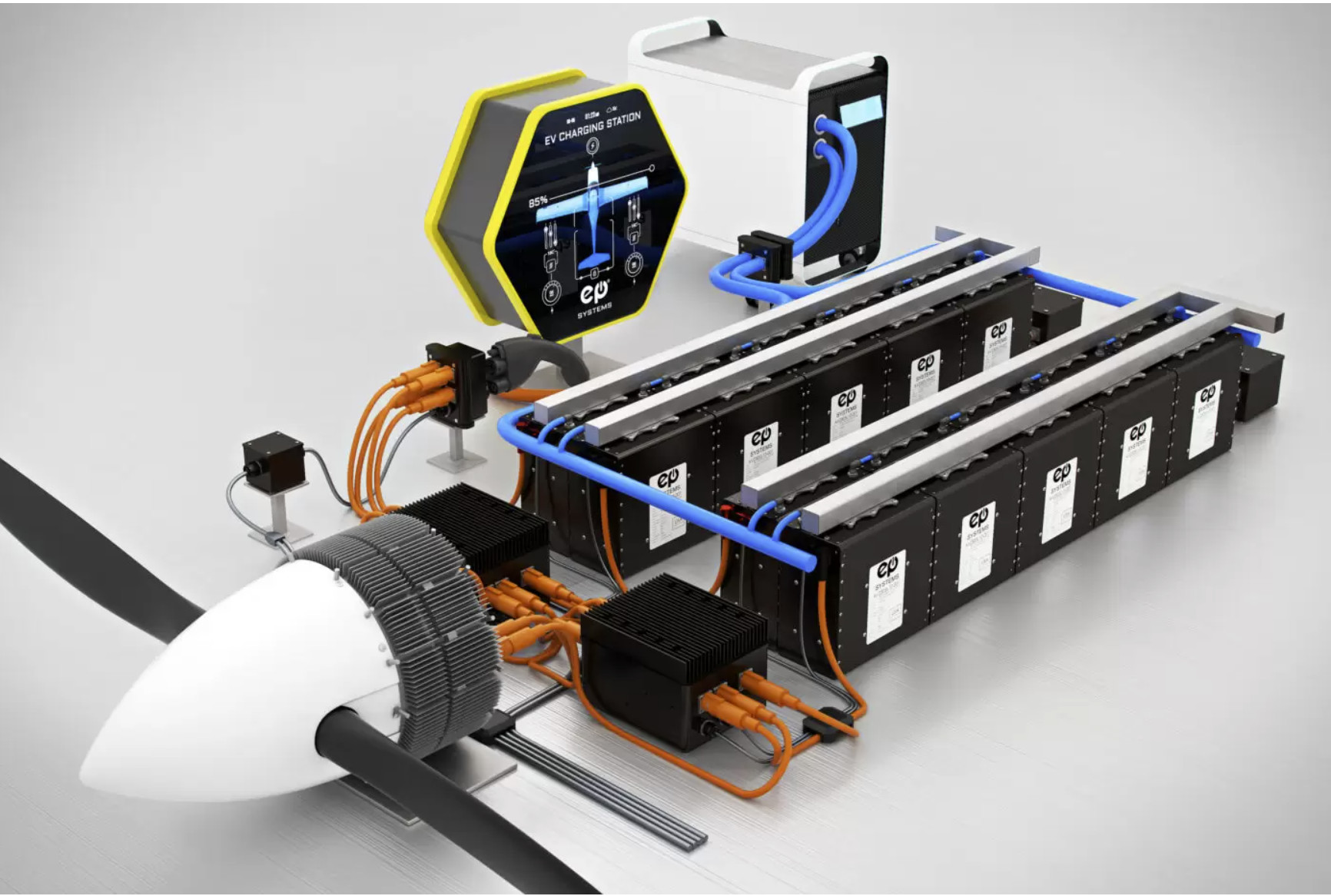
Electric Power Systems aims to provide a complete battery ecosystem for aviation, encompassing battery packs on aircraft and charging stations on the ground. The company’s goal is to ensure low costs and rapid charging without compromising the battery’s lifespan. An essential aspect of electric aviation is designing lightweight batteries that can store a significant amount of energy. Heavy batteries would make electric aircraft economically unviable when compared to conventional fossil fuel-powered planes.
Nathan Millecam, CEO of Electric Power Systems, expressed excitement about collaborating with United Airlines Ventures to advance electric aviation technology. He believes that United’s investment will enable them to scale their operations and accelerate the development of their cutting-edge powertrain solutions. By working together, the aim is to revolutionize air travel and create a more sustainable future for the industry.
United Airlines is exploring options to transition its pilot training academy, Aviate®, from internal combustion-powered training aircraft to electric ones. EPS’s powertrain technology could serve as the core propulsion system for a range of future electric aircraft concepts, starting with an electric trainer and expanding to larger variants as technology progresses.
In addition to investing in EPS, United Airlines is committed to achieving net-zero emissions by 2050. They plan to reduce their greenhouse gas emissions by 100% without relying on traditional carbon offsets. The airline has launched several initiatives, including the UAV Sustainable Flight FundSM, the Eco-Skies Alliance SAF purchasing program, and the United Airlines VenturesSM venture fund. These initiatives aim to identify and invest in companies and technologies that can help decarbonize air travel. United has also set a near-term emissions reduction target validated by the Science-Based Targets Initiative (SBTi) to reduce carbon intensity by 50% by 2035 from a 2019 base year.
Furthermore, United Airlines has taken steps to inform customers about the carbon footprint associated with each flight. They became the first U.S. airline to provide customers with an estimate of their flight’s carbon footprint during the flight search process. This transparency allows customers to make more informed choices and supports United’s commitment to sustainability.
Overall, United Airlines’ investment in Electric Power Systems demonstrates their commitment to embracing innovative solutions that can contribute to the decarbonization of the aviation industry. By partnering with companies like EPS and incorporating electric technologies into their operations, United aims to reduce their environmental impact and work towards a more sustainable future for air travel.