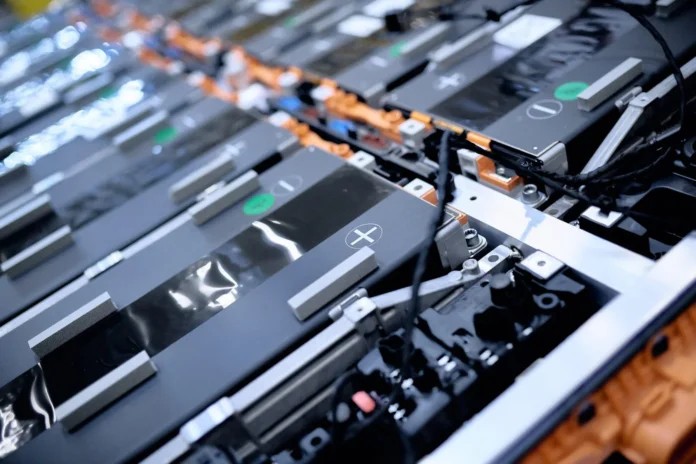
Reuters, Tokyo – French oil and energy giant TotalEnergies announced Thursday that its energy storage subsidiary, Saft, has been selected to construct a 1 gigawatt-hour (GWh) battery energy storage system (BESS) in Fukushima, Japan. This major initiative is part of a broader renewable energy development project spearheaded by Gurin Energy, an Asian clean energy company with a growing footprint in the region.
The large-scale storage facility will be capable of delivering more than 240 megawatts (MW) of power over a four-hour period, making it one of the largest battery systems planned in Japan to date. Construction is scheduled to begin in 2026, and once operational, the system will play a critical role in helping Japan stabilize its national grid as it transitions to more renewable energy sources such as solar and wind.
Addressing Grid Instability in a Renewable Future
With Japan aiming to increase its renewable electricity share from 27% currently to nearly 40% by 2030, large-scale storage systems like Saft’s are seen as a vital part of the energy equation. The intermittency of wind and solar power poses significant challenges to electrical grid stability. Battery energy storage systems can store excess energy generated during periods of high output and release it when demand is higher or supply is low, thus smoothing out the fluctuations and enhancing overall reliability.
“Battery storage systems are no longer a future technology—they are a present necessity,” said Vincent Le Quintrec, Saft’s Energy Storage System (ESS) sales and marketing director. “Asia is a critical region for the sustained, long-term growth of Saft’s ESS business, and this project in Fukushima demonstrates our commitment to support the energy transition in Japan and across the region.”
Fukushima: A Symbolic and Strategic Location
The decision to locate the facility in Fukushima carries both technical and symbolic weight. Once the site of the 2011 nuclear disaster, Fukushima has since become emblematic of Japan’s renewable energy ambitions. The local government has actively sought to transform the region into a clean energy hub, attracting international partnerships and investments.
TotalEnergies’ involvement represents a fusion of global energy expertise with Japan’s national and regional efforts to decarbonize. The company stated that the project will leverage Saft’s proven lithium-ion technology, advanced safety systems, and modular design architecture to ensure high performance and operational longevity.
TotalEnergies’ Broader Renewable Strategy in Japan
This project is part of TotalEnergies’ broader vision of transforming from an oil and gas company into a fully integrated electricity provider. In Japan, the company already operates four solar power plants and has submitted bids in the country’s emerging offshore wind tenders. By coupling generation capacity with flexible storage systems, TotalEnergies aims to deliver end-to-end clean energy solutions that include production, storage, and delivery.
The company’s CEO, Patrick Pouyanné, has repeatedly emphasized the strategic importance of Asia in TotalEnergies’ global renewable roadmap. With energy demand surging across the region and governments pushing aggressive decarbonization policies, Asia is expected to be one of the largest growth markets for renewables and energy storage technologies.
Japan’s Ambitious Energy Storage Plans
Japan has set a 10GW energy storage target by the end of the decade, with projects like the Fukushima installation forming the backbone of this goal. Policymakers believe that without sufficient storage, the expansion of renewables could outpace the grid’s ability to manage it—leading to inefficiencies, curtailments, and power instability.
By deploying gigawatt-scale storage, Japan aims to create a more resilient and flexible energy infrastructure that can support high levels of renewable penetration. It’s a strategy echoed globally by countries transitioning from fossil fuels to clean energy, where storage is becoming just as crucial as generation.
Technical Specifications and Project Impact
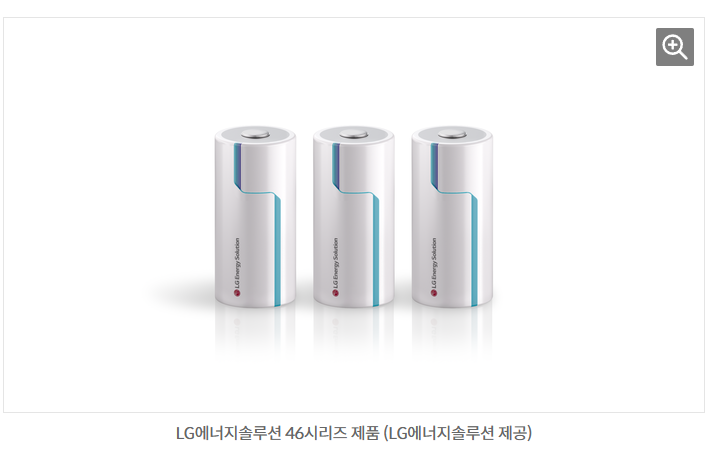
While full technical details of the system have yet to be disclosed, Saft confirmed the use of advanced lithium-ion cells, capable of rapid response times, optimized cycle life, and high energy density. The four-hour duration aligns with global best practices for utility-scale applications, ensuring grid flexibility during critical morning and evening peak demand periods.
The system’s 1GWh capacity would allow it to serve over 100,000 households during peak hours, significantly supporting the local and regional grid. Additionally, the use of smart monitoring, predictive analytics, and thermal management systems will further improve efficiency and safety.
Challenges and Opportunities Ahead
Despite the promise, building such large-scale storage systems is not without challenges. Regulatory approvals, land acquisition, and supply chain logistics—especially amid global battery material constraints—could affect timelines and costs.
However, industry experts point out that TotalEnergies’ global presence and Saft’s technical pedigree offer strong assurances of delivery. More importantly, projects like this pave the way for greater public-private collaboration, technical innovation, and local workforce development in a sector that is quickly becoming central to national infrastructure.
Conclusion: A Milestone for Japan and a Strategic Step for TotalEnergies
The announcement of the Fukushima storage system underscores the convergence of technology, policy, and market readiness in Japan’s energy transition. For Saft and TotalEnergies, it marks a milestone project in Asia and a signal of their long-term commitment to building a diversified, carbon-neutral energy future.
As more countries look to integrate renewables at scale, battery storage will be indispensable. Japan’s decision to scale up with support from international partners like TotalEnergies reflects not only a growing urgency but also a shared global vision for cleaner, more resilient energy systems.