Reuters Reveals: Why the Nissan-Honda Merger Collapsed
The automotive world was shaken when rumors of a potential merger between Japanese giants Nissan and Honda surfaced earlier this year. However, according to recent reports by Reuters, the deal has now hit a roadblock, leaving both companies and industry observers scratching their heads.
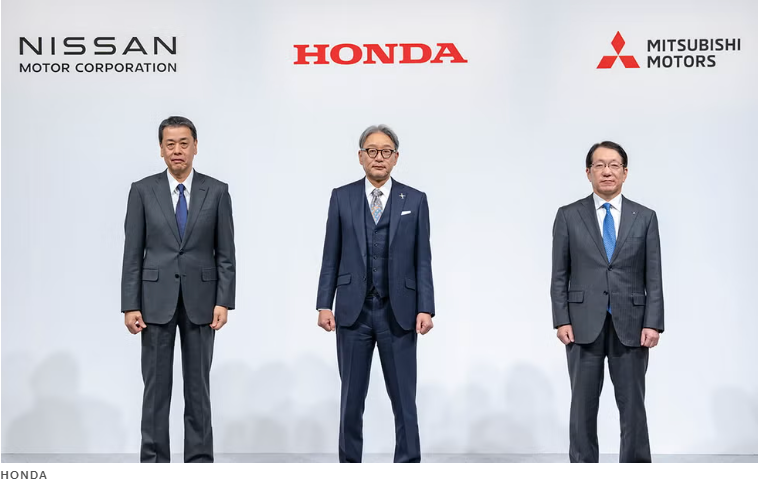
The Failed Merger: A Closer Look
In what was initially seen as a historic partnership, Nissan and Honda had been in discussions to combine forces, leveraging their combined strengths in innovation, production, and global market presence. However, the talks collapsed due to significant differences in vision, strategic priorities, and operational approaches.
According to insiders familiar with the negotiations, Honda abruptly shifted its stance by demanding that Nissan become a subsidiary of Honda, a stipulation not outlined in the initial Memorandum of Understanding (MoU) signed late last year. This sudden change came as a shock to Nissan executives, who viewed it as an affront to their company’s autonomy and dignity.
Key Factors That Led to the Breakdown
- Honda’s Impatience and Strategic Shifts
- Honda managers grew frustrated with the pace of negotiations and what they perceived as Nissan’s lack of concrete turnaround plans.
- The automaker also expected deeper factory capacity reductions from Nissan, a demand that Nissan deemed unacceptable due to its critical role in their EV strategy.
- Nissan’s Stance on Factory Closures
- Nissan was reluctant to close or reduce production lines at key facilities like Kyushu (Japan), Smyrna (U.S.), Aguascalientes (Mexico), and Sunderland (UK). These plants are integral to Nissan’s electric vehicle plans, and any closures would have significant financial implications.
- Sakamoto’s visit to Kyushu to announce new EV plans further solidified Nissan’s commitment to preserving its existing capacity.
- Renault’s Warning
- Renault, Nissan’s largest shareholder, expressed strong opposition to the proposed subsidiary structure. They argued that such a deal would effectively result in a “takeover of Nissan by Honda without a control premium for Nissan shareholders,” which they deemed unacceptable.
- Renault emphasized its intention to “vigorously defend” its interests, signaling that any move compromising Nissan’s independence would face fierce resistance.
The Impact on the Automotive Industry
The collapse of the merger talks highlights the challenges of combining two large, established players in the automotive sector. Both companies operate in highly competitive markets and have their own unique strengths and challenges.
- Opportunities for Strategic Partnerships
- While the merger discussions ended without a deal, both companies remain open to collaborating on specific areas such as technology sharing or joint ventures.
- For instance, they had previously agreed to explore opportunities for cooperation in EV technologies, which could still materialize in some form.
- Rising Tides of Consolidation
- The failed merger underscores the broader trend of consolidation in the automotive industry. As competition intensifies and costs rise, companies are increasingly seeking partnerships to enhance efficiency and innovation.
- However, the Nissan-Honda case also serves as a cautionary tale about the complexities of merging two culturally distinct organizations with different strategic priorities.
What’s Next for Nissan and Honda?
While the merger is off the table, both companies have reaffirmed their commitment to pursuing individual growth strategies. For Nissan, this includes doubling down on its EV initiatives and strengthening ties with other potential partners, such as Renault or even new entrants in the automotive space.
Honda, meanwhile, continues to focus on its own transformation plans, including expanding its presence in key markets like Southeast Asia and North America. The company is also investing heavily in hydrogen fuel cell technology and autonomous driving solutions.
The Broader Implications
The failed merger sends ripples across the global automotive industry. It serves as a reminder that even in an age of increasing consolidation, combining two major players requires careful alignment of goals, cultures, and operational approaches.
As the automotive landscape continues to evolve, with new technologies and market dynamics reshaping the sector, companies will need to carefully weigh the benefits and risks of partnerships versus independent growth strategies.