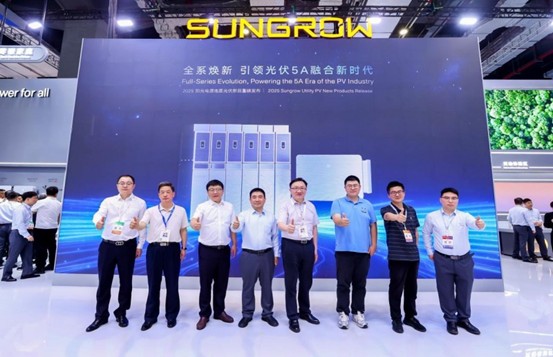
CATL 587Ah energy storage cell production process
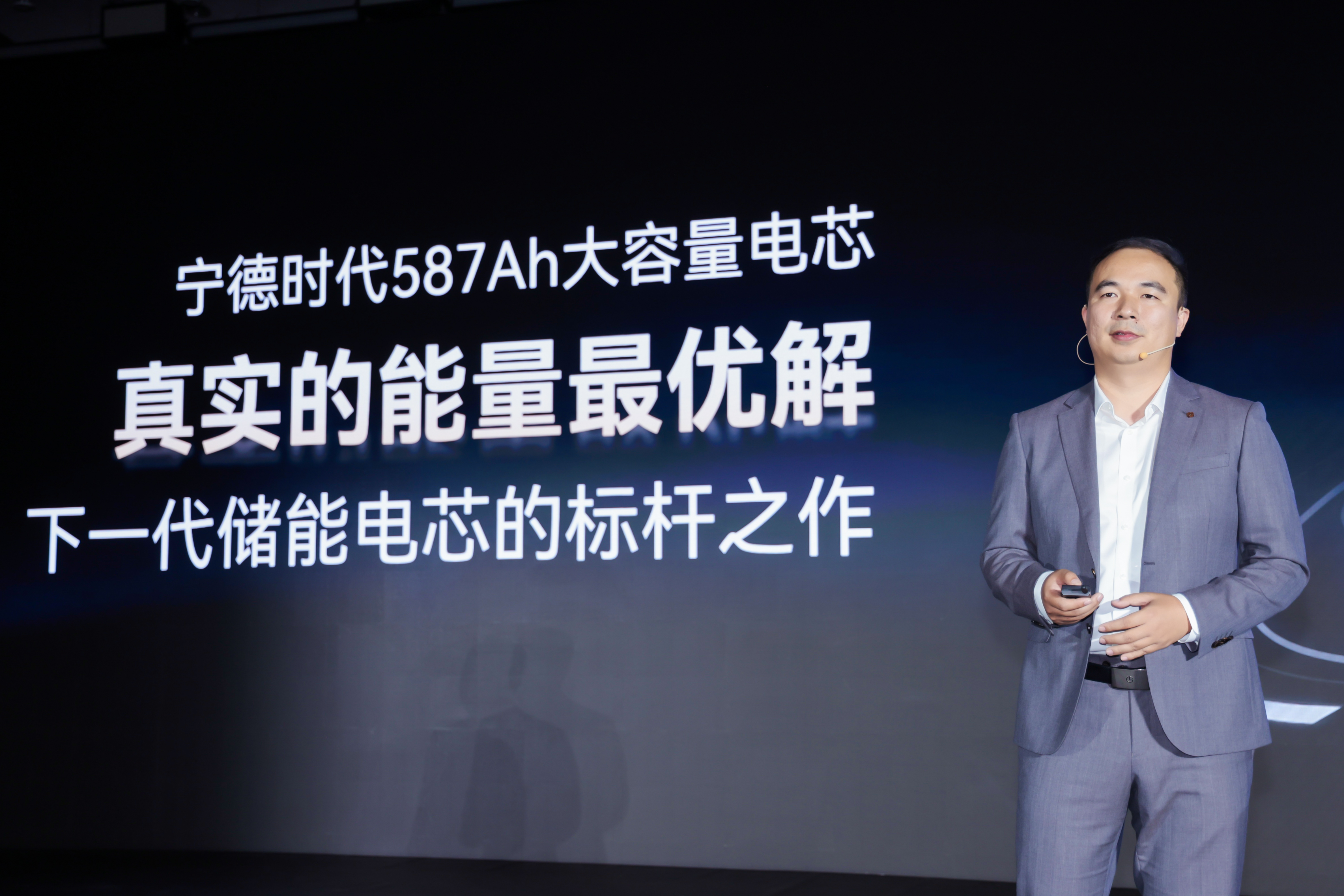
On June 10, 2025, CATL officially launched mass production of its groundbreaking 587Ah energy storage battery cell, marking a significant milestone in the evolution of large-capacity lithium iron phosphate (LFP) battery technology. At the “True Energy” 587 Technology Day in Shanghai, CATL introduced the cell as the most optimized solution for next-generation energy storage—balancing cell size, chemistry, safety, and integration within a comprehensive design framework.

After three years of dedicated research and engineering, CATL’s 587Ah cell isn’t just a larger battery—it’s a reimagined approach to how energy storage can be more efficient, reliable, and future-ready.
1. Why Size Matters—But Not “Bigger is Better”
In the race to build larger battery cells, many manufacturers have chased capacity increases by simply scaling up dimensions. However, CATL’s engineers quickly recognized a critical principle: “Just right is better than just bigger.”
The 587Ah cell achieves a golden balance among size, energy density, thermal performance, and compatibility with existing energy storage system constraints. For example:
- Optimized for standard 20-foot containers and 1500V PCS systems, the 587Ah cell enables a perfect 6.25MWh configuration under China’s national 50MWh per-zone regulation.
- It meets strict transportation standards (≤45 tons) for dangerous goods, avoiding the oversize, overweight pitfalls of competitor designs exceeding 50–60 tons that cannot legally ship.
This deliberate engineering ensures full compliance with safety, regulatory, and logistics requirements—a vital factor for project scalability and operational reliability.
2. Energy Density and Conversion Efficiency: Real Performance Starts Here
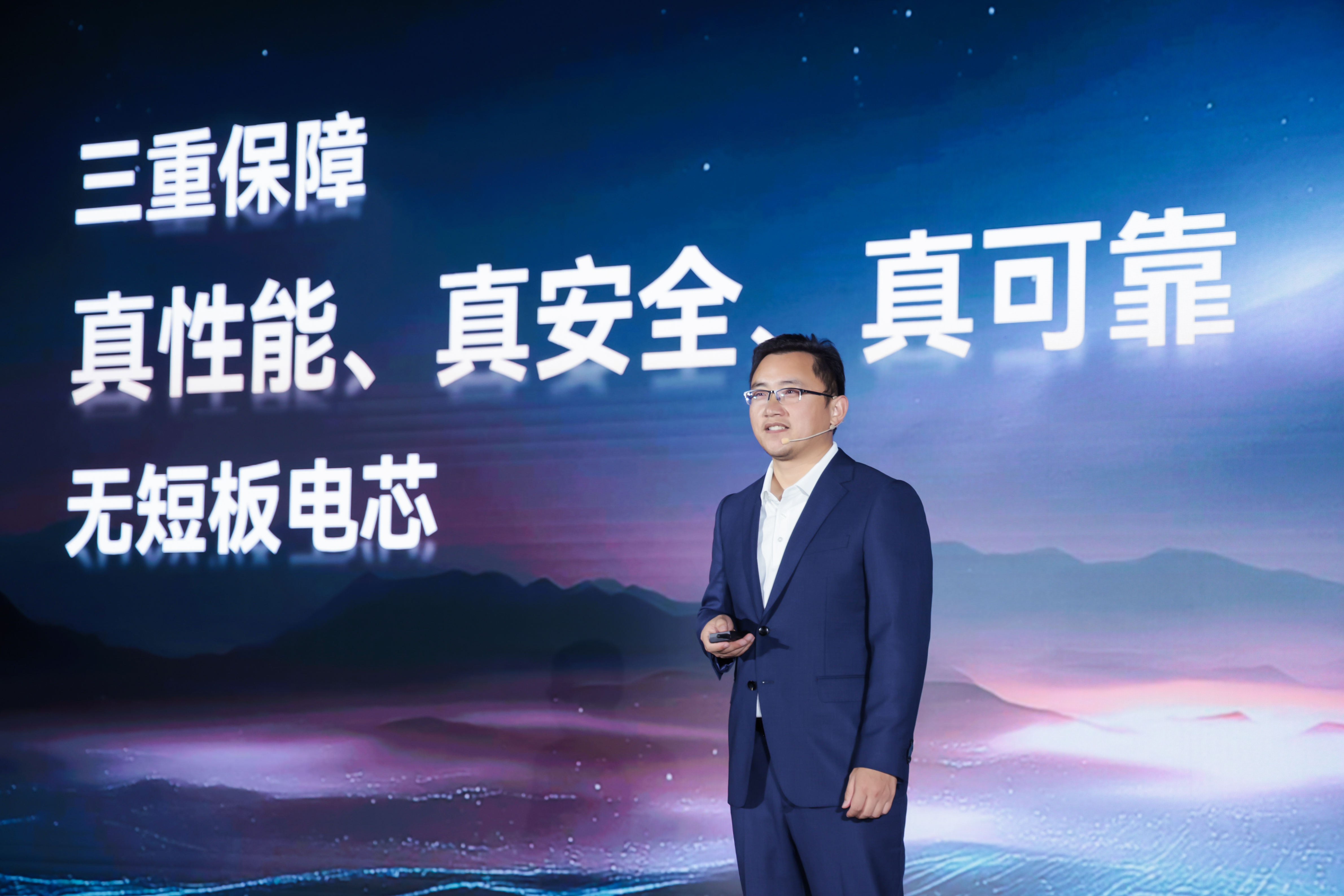
CATL’s 587Ah cell isn’t just about bulk capacity—it delivers true performance:
- 434 Wh/L volumetric energy density, a 10% increase over the previous generation.
- System energy density increased by 25% through architectural innovations such as transitioning from a 6-rack to 4-rack module structure.
More importantly, it achieves a record-high Round Trip Efficiency (RTE) of 96.5%. This was made possible by:
- Mechanical innovations that shorten electron paths and reduce ohmic resistance by 30%.
- Advanced electrolyte and electrode chemistry, minimizing reaction and concentration polarizations.
- Gradient porous electrode design, enhancing lithium-ion transport efficiency.
These gains mean lower heat loss, improved energy conversion, and a higher effective yield from every kWh stored—directly boosting lifecycle value.
3. Longevity Backed by Science and Real-World Testing
One of the key differentiators of CATL’s 587Ah cell is its scientifically optimized structure for long-term reliability. Unlike oversized cells that often suffer from rapid aging and uneven degradation due to thermal gradients or lithium plating, the 587Ah strikes a balance that maintains structural integrity and consistency.
- CATL’s self-repairing anionic electrolyte and multi-functional SEI film-forming agents stabilize the anode interface.
- Electrochemical modeling was used to define the optimal height and width, avoiding stress concentration and electrolyte maldistribution.
- CATL has established a massive database with millions of cycles from previous 240Ah and 280Ah cells, supporting accurate predictive lifespan modeling.
These innovations yield a dramatically flatter aging curve, ensuring the cell remains productive and predictable throughout its lifecycle.
4. Safety by Design: Zero Tolerance for Risk
Energy storage systems cannot afford “99% safety.” They must be 100% safe. Always.
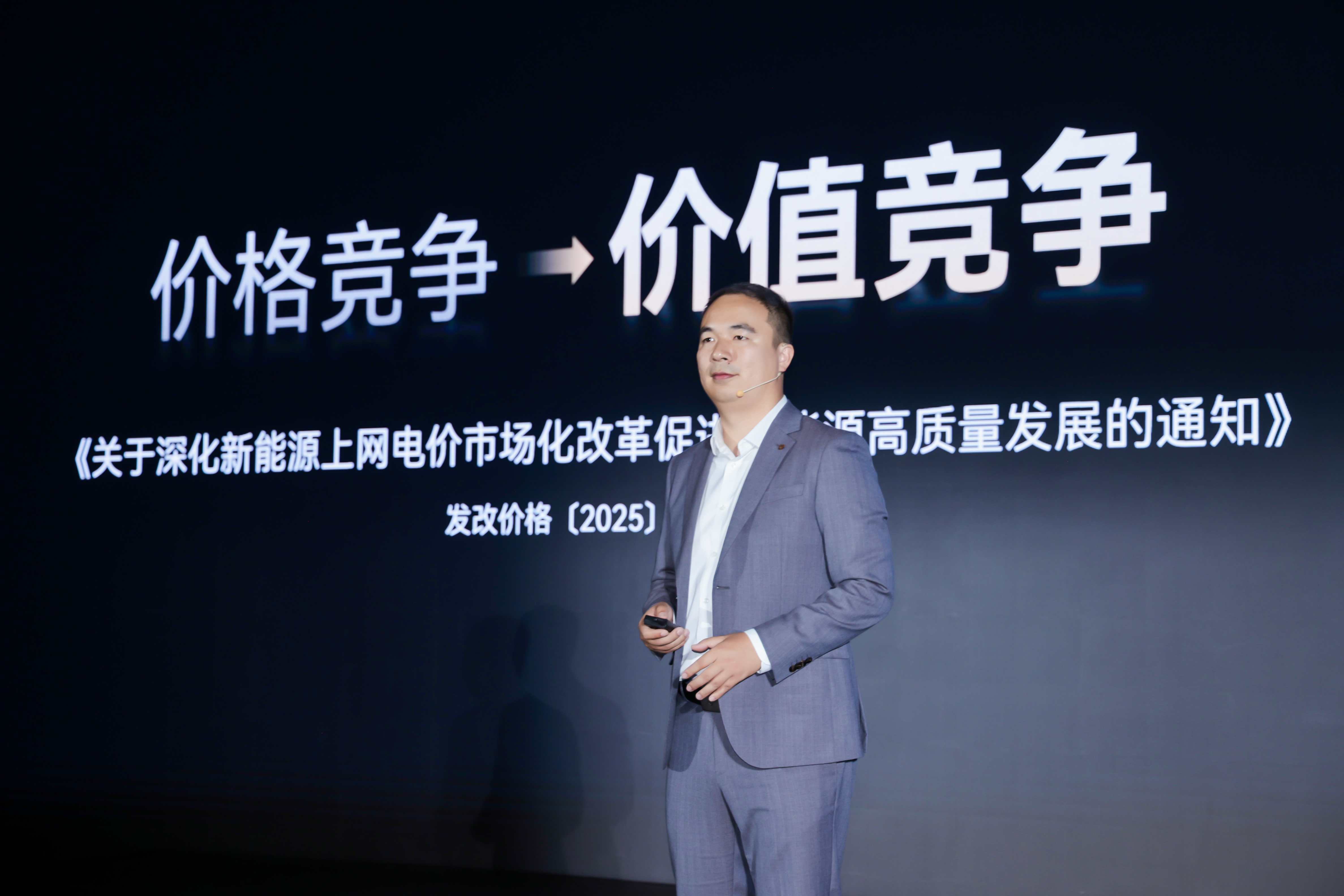
CATL’s 587Ah cell meets this demand with a three-dimensional defense system:
- Safe Electrolyte Formulation – reduces flammability and thermal runaway risk at the source.
- Non-diffusive Anodes – enhance structural safety during abuse conditions.
- Ultra-heat-resistant separators – prevent internal short circuits under extreme temperatures.
Even under thermal runaway tests (overcharge, nail penetration, thermal abuse), the cell demonstrated no fire, no explosion—passing both GB/T 36276 and GB 44240 national safety standards.
Where other large-capacity cells struggle to manage heat and gas release due to oversize dimensions, CATL’s design remains within the optimal window for effective heat dissipation and venting.
5. Lower Cost, Higher Return: Economic Optimization
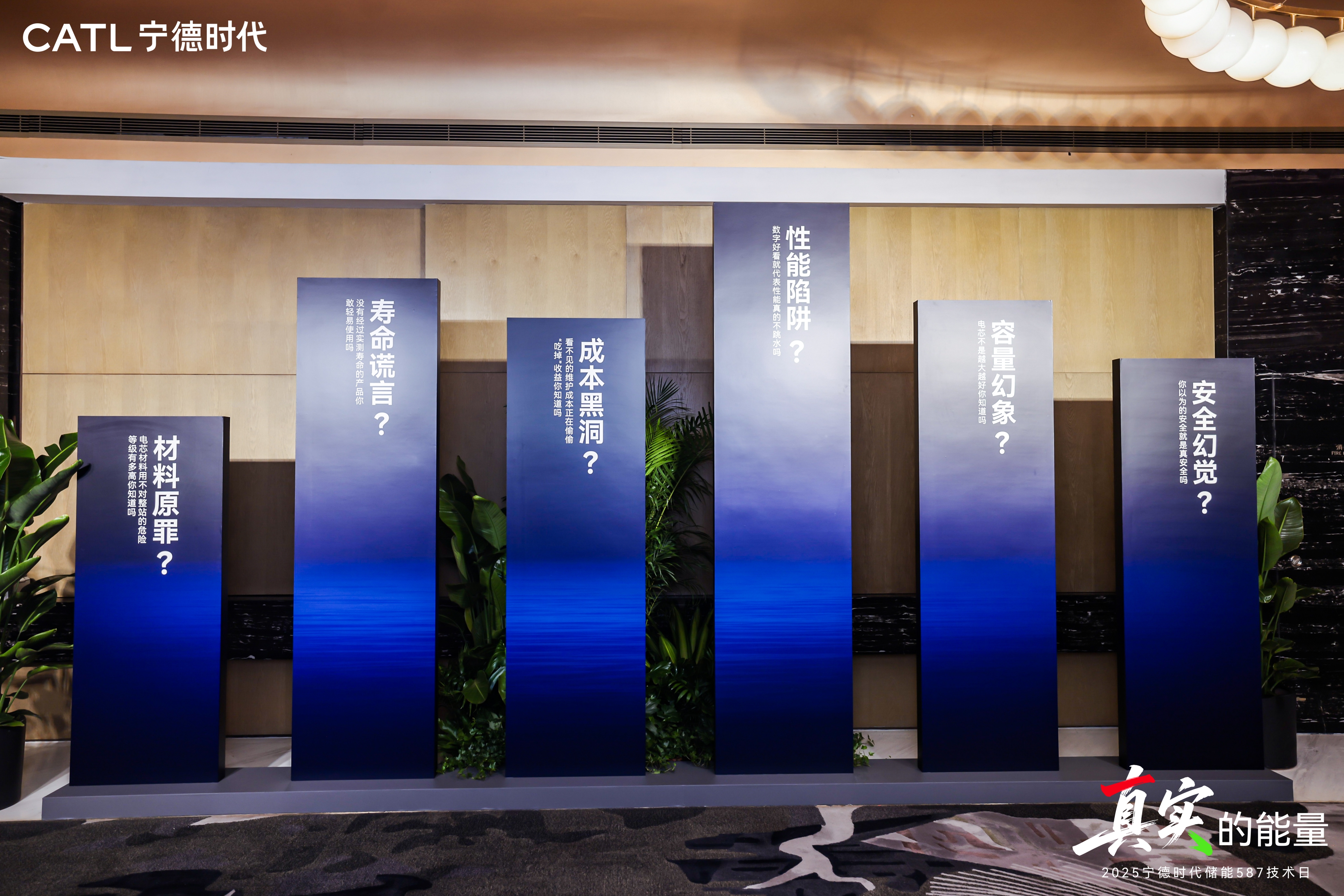
As China transitions from policy-driven to market-driven storage development, system ROI becomes paramount. CATL’s 587Ah cell aligns with this shift by delivering:
- 15% reduction in system integration costs through fewer components and simplified layout (modules reduced by 33%, parts by 40%).
- 5% increase in lifecycle return on investment (ROI), thanks to efficiency gains, lifespan extension, and improved safety.
- Reduced maintenance costs, with lower self-discharge failure rates due to advanced winding structure (90% fewer cut edges vs. stacked cells).
Simply put, CATL has engineered “more value per kWh.”
6. Mass Production Capabilities: From Lab to Gigascale
Unlike experimental cells showcased in laboratories, the 587Ah cell is already in mass production:
- CATL’s Shandong facility features world-leading digital and intelligent manufacturing systems.
- Achieved PPB-level defect rates (parts per billion), 7.5 sigma quality standard.
- 50% faster production cycle, with 57% lower carbon footprint, underscoring its sustainability leadership.
With over 256 GWh of cumulative global energy storage deployments and zero reported accidents, CATL brings unmatched industrial credibility and delivery capability to the table.
7. True Value in a Noisy Market
As CATL’s Vice President Zheng Yelai stated, “The core of energy storage lies in creating real, measurable, and dependable value.” In a market where spec-sheet inflation and superficial specs often distract from real-world performance, the 587Ah cell serves as a benchmark of authenticity.
- It doesn’t chase the largest capacity number.
- It doesn’t compromise safety for marketing appeal.
- It delivers real energy, backed by real data, through real engineering.
Conclusion: 587Ah—The Defining Cell for the Next Generation
The energy storage landscape is changing. As policy subsidies fade and market forces dictate success, the industry demands solutions that perform across safety, efficiency, integration, and ROI.
CATL’s 587Ah cell isn’t just an incremental improvement—it is a strategic leap toward resilient, scalable, and economically viable storage systems. Whether powering grid-level storage, large solar farms, or integrated renewables, this cell defines the future of energy storage.
It is not the biggest, but it is the smartest, safest, and most profitable choice for the next chapter in the global energy transition.