The recent widespread blackout that plunged much of Spain and Portugal into darkness on April 28th has served as a stark reminder of the vulnerabilities inherent in modern energy systems. In response, the Portuguese government has announced a significant investment of €400 million (approximately $466 million) aimed at fundamentally overhauling the nation’s electricity grid and bolstering its capacity for energy storage. This ambitious plan represents a crucial step towards ensuring energy security, facilitating the integration of renewable energy sources, and safeguarding critical infrastructure against future disruptions.

The April Blackout: A Cascade of Failures
The April blackout, which left millions without power, was attributed to a complex interplay of factors. A Spanish government report pointed to a miscalculation by grid operator Redeia (REDE.MC) regarding the energy mix within the system. Critically, the report also implicated thermal power plants – those utilizing coal, gas, and nuclear power – for failing to maintain appropriate voltage levels. This failure, combined with the miscalculation, triggered a cascading series of power plant disconnections, ultimately leading to the widespread outage that impacted Portugal, which was actively importing electricity at the time. The incident highlighted the increasing fragility of interconnected energy systems and the challenges associated with managing a rapidly evolving energy landscape.
A Comprehensive Investment Plan: Grid Upgrades and Enhanced Control
The Portuguese government’s response has been decisive. The €400 million investment plan is multifaceted, targeting both immediate grid improvements and long-term strategic enhancements. A significant portion, €137 million, is earmarked for bolstering the operational and control capacity of the electricity grid. This includes the installation of a “shunt device,” a sophisticated piece of equipment designed to accurately measure electrical current and prevent overloads. Furthermore, investments will be made in equipment specifically designed to regulate voltage, improve overall power system stability, and ensure a consistent and reliable energy delivery.
The need for these upgrades is directly linked to the increasing prevalence of intermittent renewable energy sources like wind and solar power. Unlike traditional thermal power plants, which provide a stable and predictable energy supply, renewables are inherently variable, dependent on weather conditions. Managing this variability presents a significant challenge for grid operators, requiring sophisticated control systems and a flexible infrastructure. The new shunt device and voltage regulation equipment are specifically designed to address these challenges, providing greater control and stability within the grid.
Expanding Battery Storage Capacity: A Critical Component of Resilience
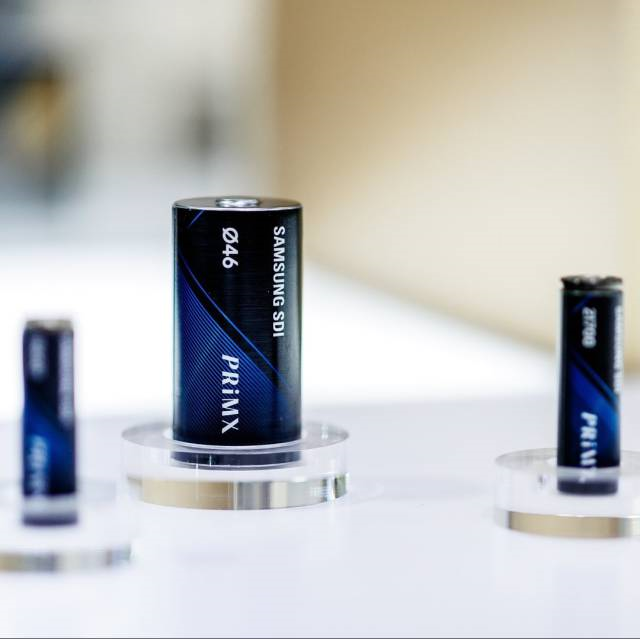
Beyond grid upgrades, the investment plan places a strong emphasis on expanding Portugal’s battery storage capacity. Currently, the nation possesses a relatively modest 13 megawatts of storage capacity. The government’s ambitious goal is to reach 750 megawatts, a substantial increase that will significantly enhance the nation’s energy autonomy and resilience.
The rationale behind this expansion is clear. Battery storage provides a crucial buffer against fluctuations in renewable energy generation and can prevent sudden shutdowns of the power grid. In the event of a sudden drop in solar or wind power, batteries can quickly discharge, maintaining a stable power supply and preventing widespread outages. Furthermore, battery storage can provide backup power for critical infrastructure, ensuring that essential services remain operational during emergencies. The government intends to prioritize the provision of backup power for hospitals, fire departments, security forces, and other key public administration services, safeguarding their ability to function effectively during crises.
Addressing the Changing Energy Landscape
Energy Minister Maria da Graca Carvalho has articulated the fundamental shift occurring within the energy sector. She emphasized that the traditional reliance on thermal power plants for grid management is becoming increasingly unsustainable. The rise of renewable energy sources has created a more decentralized and intermittent energy production model, demanding a more agile and responsive grid infrastructure. The government’s investment plan is designed to facilitate this transition, creating a grid that is capable of seamlessly integrating renewable energy sources and providing a reliable power supply for all citizens.
The planned investments are not merely reactive measures in response to the April blackout; they represent a proactive strategy for building a more sustainable and resilient energy future for Portugal. The government is committed to creating a grid that is “secure, digital, and modern,” capable of supporting the evolving energy production model. To expedite the implementation of these investments, the government intends to introduce a decree that will streamline the approval process and accelerate the deployment of new infrastructure.
Challenges and Future Considerations
While the government’s investment plan is a significant step forward, several challenges remain. The transition to a more decentralized and renewable-powered grid will require ongoing innovation and adaptation. The integration of large-scale battery storage systems presents technical and logistical complexities. Furthermore, the cost of these investments will require careful management and prioritization.
Looking ahead, Portugal’s experience offers valuable lessons for other nations grappling with the challenges of energy transition. The importance of grid modernization, the strategic role of battery storage, and the need for proactive government intervention are all critical takeaways. By embracing innovation and investing in a resilient energy infrastructure, Portugal is paving the way for a more sustainable and secure energy future.