Tesla CEO Elon Musk made a rare public admission at the 2025 Investor Day: pursuing the dry electrode process for the 4680 battery was a mistake. This technical challenge has plagued Tesla for five years, while competitors have achieved technological superiority in the large cylindrical battery sector.
Dry Electrode Process Proved Far More Difficult Than Expected
At Battery Day 2020, Tesla unveiled the 4680 battery, promising that the dry electrode process would drastically shorten manufacturing time and significantly reduce costs. The process originated from Maxwell Technologies, which Tesla acquired in 2019, and was originally developed for supercapacitor production. Musk believed at the time that adapting it for battery production would be a minor detail to overcome.
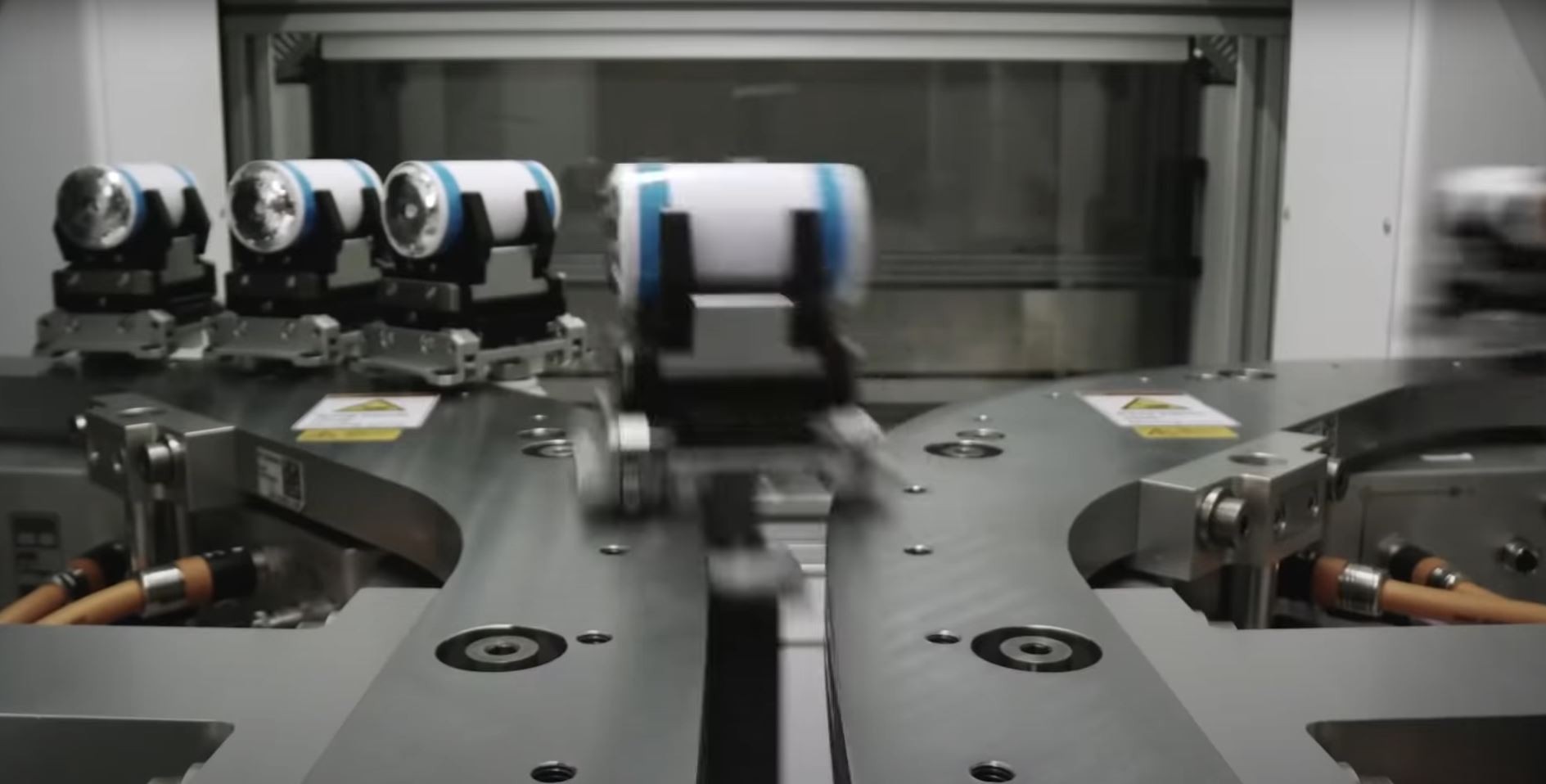
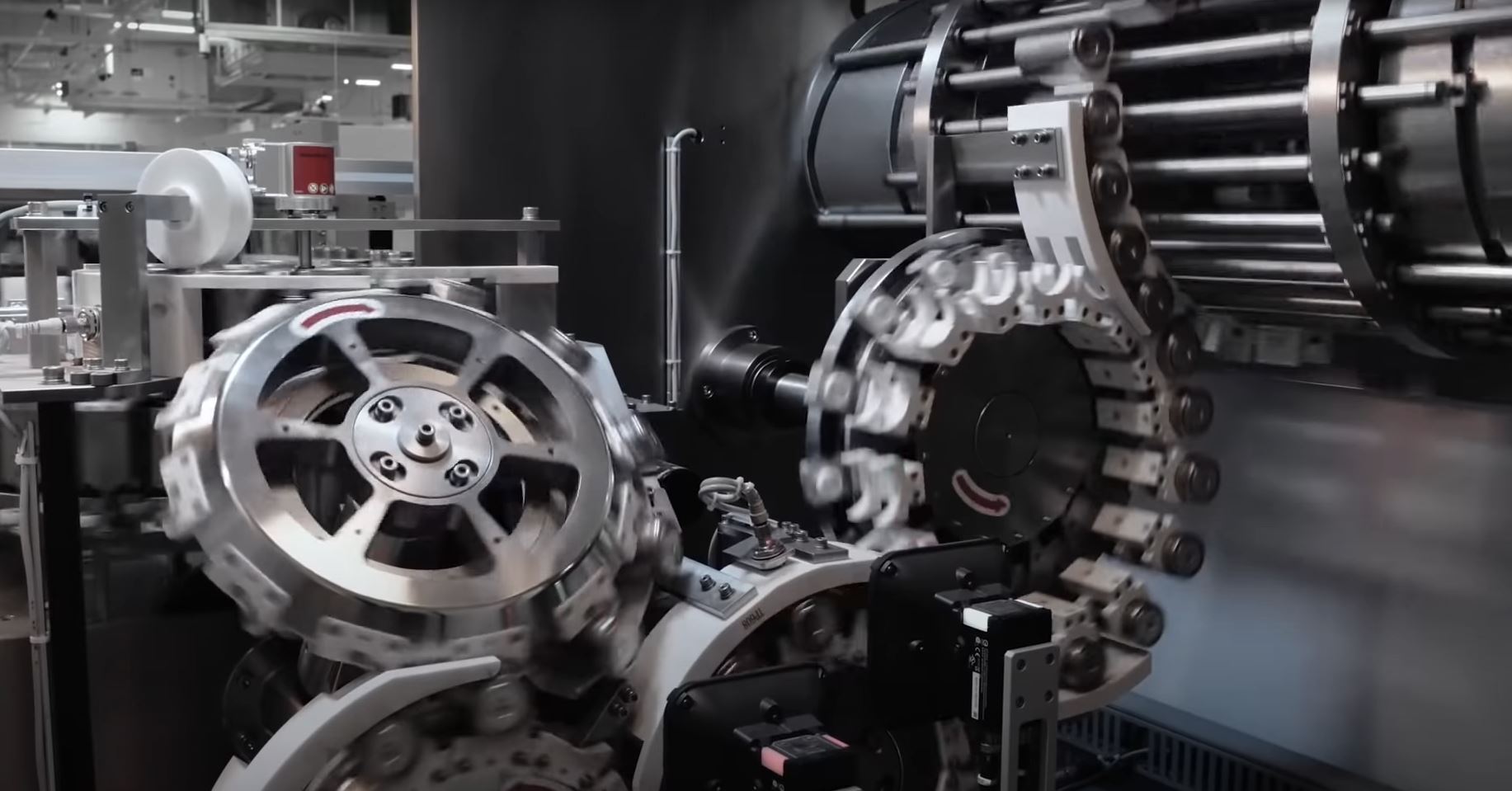
However, reality proved otherwise. Musk admitted at the investor meeting that the dry electrode process was “way harder than he thought.” According to reports, Tesla’s 4680 dry electrode prototype production line encountered severe problems, with cathode material loss rates reaching 70-80%, compared to typical battery production lines that experience only about 2% cathode losses. Production equipment frequently breaks down, with repair cycles lasting up to 45 days.
Actual Performance Falls Short of Expectations
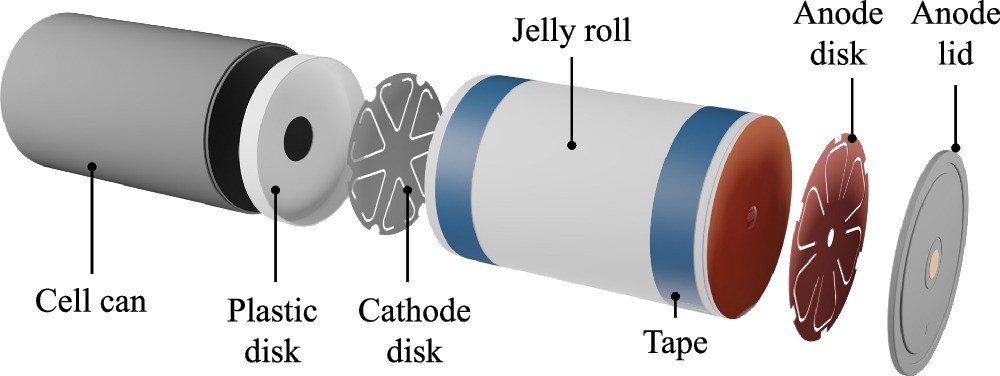
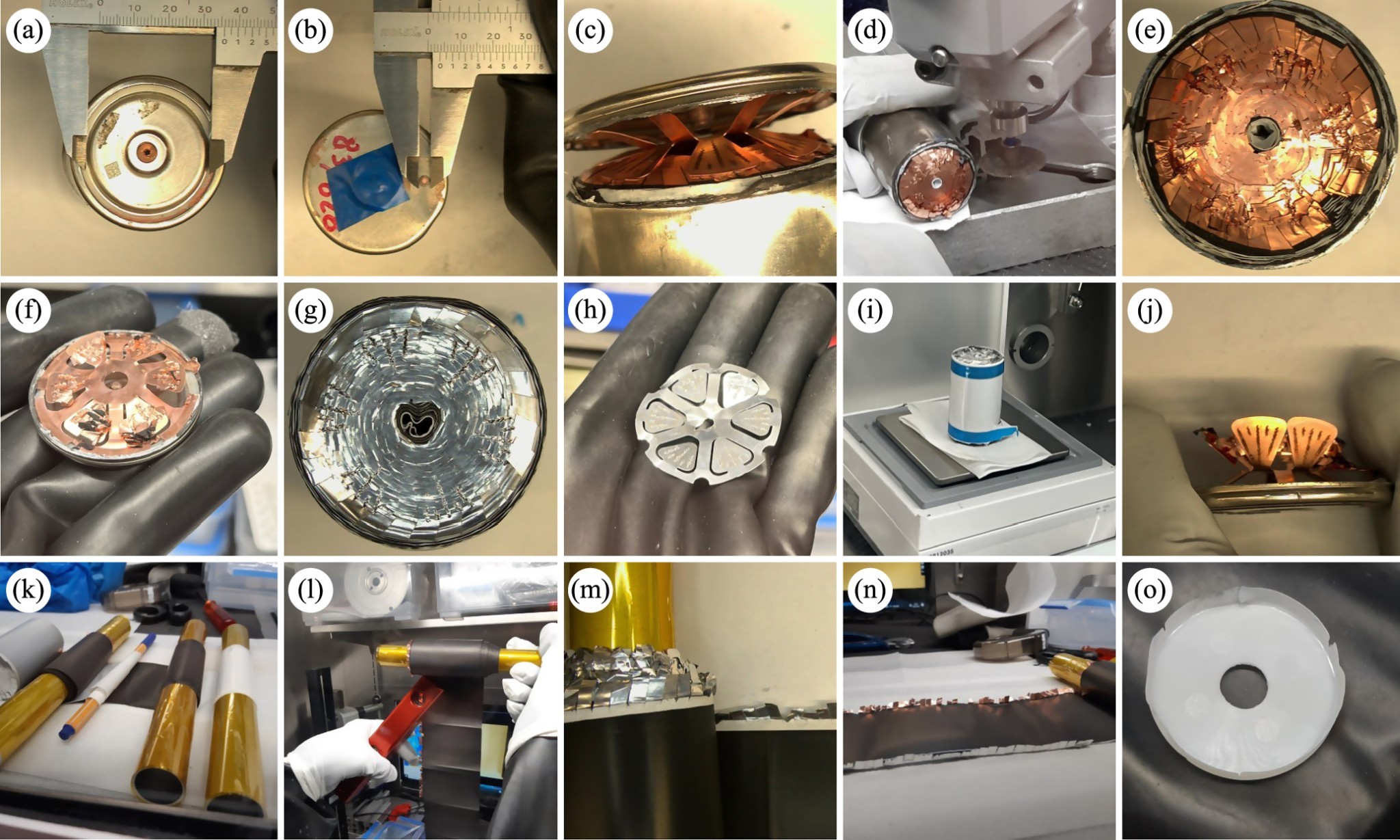
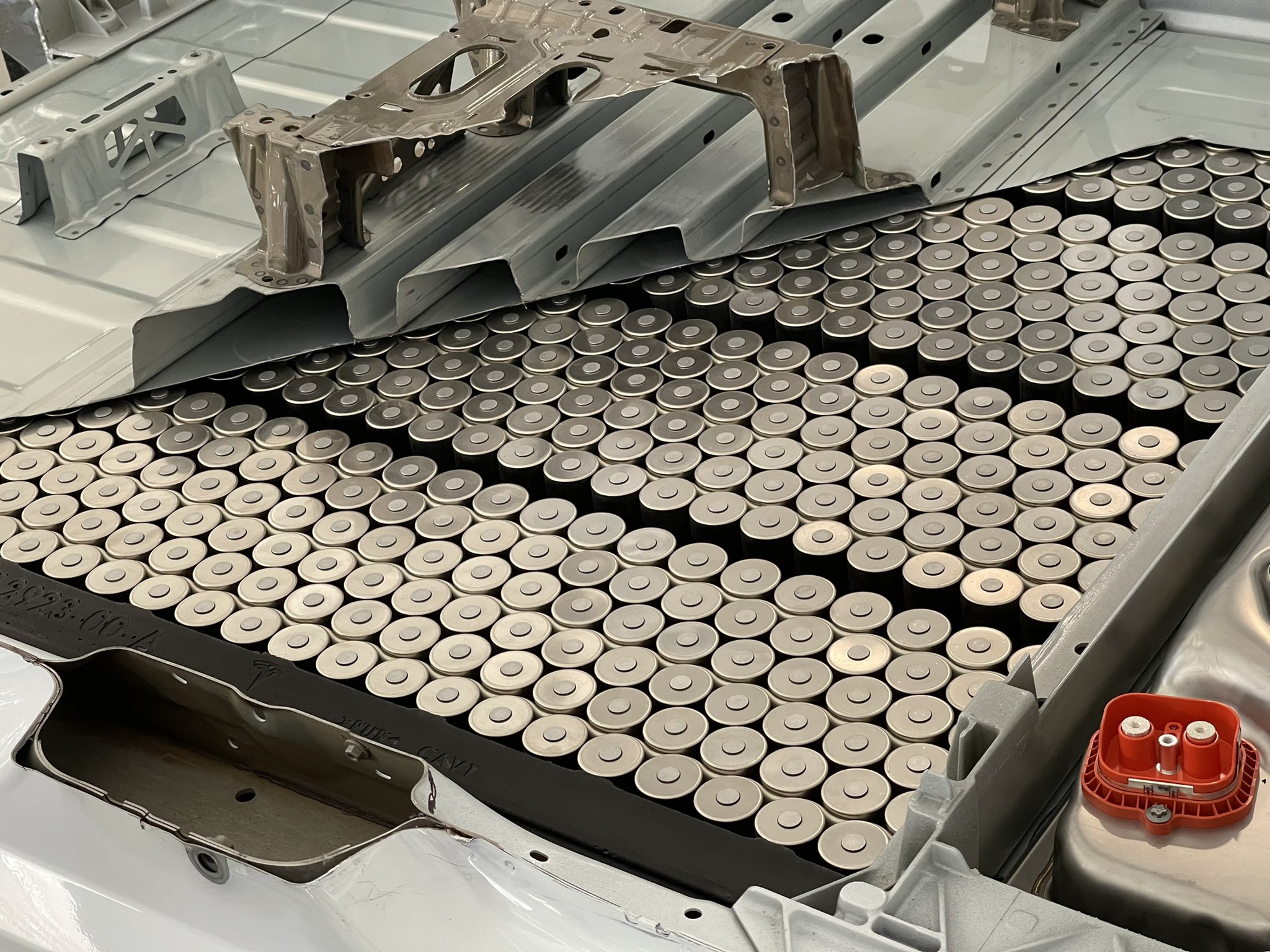
A 2022 battery teardown revealed a disappointing truth: the 4680 cells were essentially ordinary large-format NMC 811 cells, lacking the promised silicon anode, cobalt reduction, and dry electrode process. This resulted in energy density significantly lower than conventional 2170 cells.
The Cybertruck’s actual performance confirmed these issues. Cybertrucks equipped with 4680 batteries charge more slowly, with serious heat buildup inside the battery affecting charging duration. Although Tesla claimed in late 2024 to have solved the dry electrode process, Cybertruck battery packs have yet to integrate this technology.
Production Increases but Cost Challenges Remain
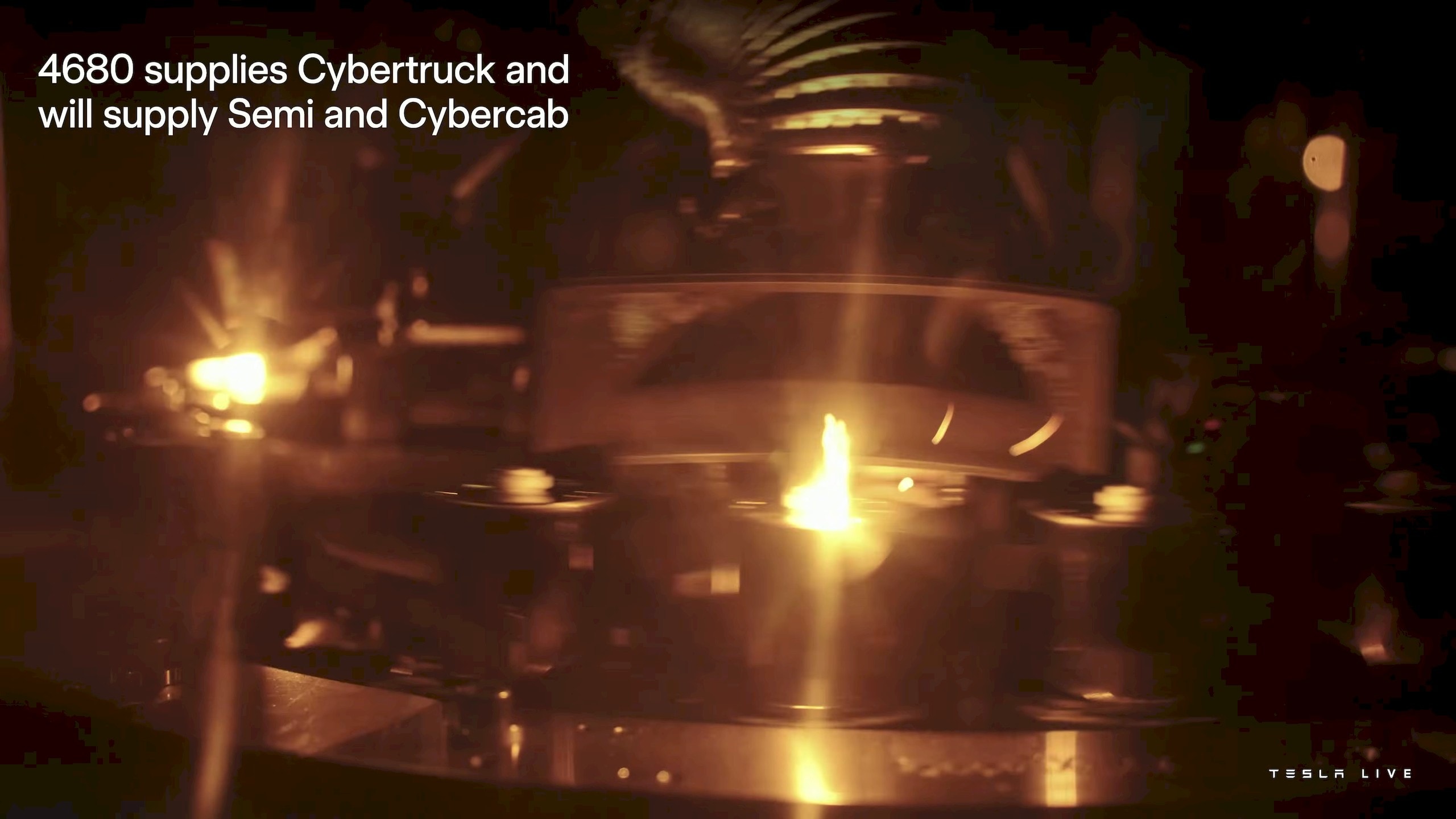
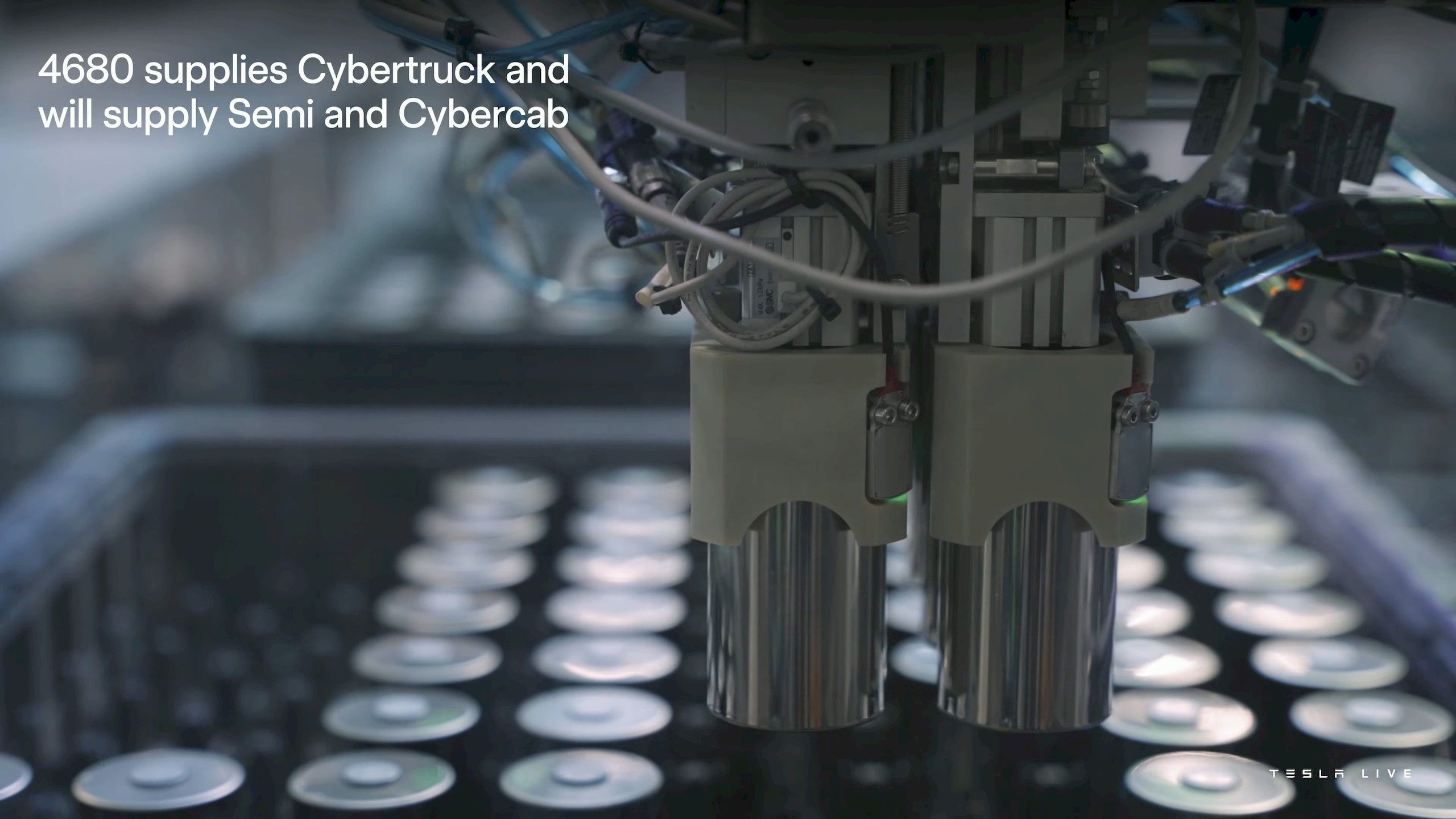
Despite technical difficulties, Tesla continues to advance 4680 battery production. On September 15, 2024, Tesla announced the production of its 100 millionth 4680 cell, taking only three months to go from 50 million to 100 million cells. Tesla plans to increase annual 4680 battery capacity at its Texas and Nevada factories to 100 GWh.
By the end of 2024, Tesla’s Texas manufacturing team achieved an important milestone: its in-house 4680 batteries became the lowest cost per kWh among all of Tesla’s battery suppliers. Tesla’s battery manufacturing director stated that 2025 will see full-scale dry electrode manufacturing to further improve cost efficiency.
However, due to the failure of the dry electrode process, Tesla’s current production costs remain high with low volumes. If adopting the traditional wet process, while it could reduce equipment failure rates, it would significantly increase production cycle time due to electrode drying requirements.
Competitors Achieve Technological Superiority
While Tesla grapples with 4680 battery technical challenges, other battery manufacturers have achieved breakthroughs in 46mm cylindrical batteries. The BMW iX3 “Neue Klasse” serves as the prime example.
The BMW iX3 features sixth-generation eDrive technology with a 108.7 kWh battery pack, using 46mm diameter cylindrical cells (heights of 95mm and 120mm). The vehicle supports an 800V high-voltage platform with charging power up to 400 kW, charging from 10% to 80% in just 21 minutes, and adding 372 kilometers of range in 10 minutes. Real-world testing shows the BMW iX3 can sustain 400 kW peak power from 9% to 23% state of charge, and still maintain 220 kW power when charging reaches 56%.
In comparison, such charging performance is beyond the reach of Cybertruck owners. BMW’s battery energy density is 20% higher than the previous generation, using high-nickel cathodes and anodes with increased silicon content, while supporting both 400V and 800V dual voltage platforms.
Beyond BMW, battery companies including EVE Energy, CATL, LG Energy Solution, and Samsung SDI are accelerating large cylindrical battery capacity deployment. Multiple companies plan to achieve 10 GWh-scale cylindrical battery mass production in 2025, with further expansion in 2026.
Future Plans: Continue Forward or Strategic Adjustment?
Despite admitting the mistake, Musk has not explicitly stated that Tesla has abandoned the dry electrode process. Tesla is still recruiting for positions related to dry electrode processes. Musk promised that 4680 battery production will ramp up “very dramatically” in 2026 for the production version of the Semi electric truck, Cybercab autonomous taxi, and Optimus humanoid robot. These products are expected to scale to millions of units annually, requiring battery supply far exceeding Tesla’s current capacity.
Tesla plans to launch four new batteries in 2026, including derivatives of the 4680 battery such as LFP versions and high energy density versions. The LFP version 4680 battery is primarily intended to reduce costs and decrease dependence on foreign supply chains.
To meet massive demand, Tesla will have to continue relying on external suppliers including LG Energy Solution, Samsung SDI, Panasonic, and CATL. LG Energy Solution plans to begin producing Tesla’s 4680 batteries at its Ochang, South Korea factory in August 2024, with initial annual capacity expected at 8 GWh. Panasonic is also advancing related capacity construction.
Industry analysis indicates that in 2024, Tesla’s self-developed 4680 battery installations increased from 0.1 GWh to 8 GWh, a year-over-year growth of 7,900%. Currently, Tesla’s 4680 capacity is approximately sufficient to support production of over 2,500 Cybertrucks per week. Calculating at 123 kWh per vehicle, annual capacity is approximately 16 GWh. Conservative estimates suggest global 4680 capacity will exceed 70 GWh by the end of 2025.
Technology Route Competition and Market Challenges
Tesla’s 4680 battery predicament reflects the complexity of battery technology innovation. The dry electrode process theoretically could reduce production costs by 50% and dramatically decrease equipment investment and energy consumption, but faces enormous challenges in scaling from laboratory to mass production.
Meanwhile, Chinese battery manufacturers are already demonstrating higher charging speeds and energy density. Many Chinese electric vehicles can fully charge in 10 minutes, while the BMW iX3 needs the same time to charge to half capacity. While this has limited impact in the North American market, Tesla faces fierce competition in the Chinese and European markets.
Tesla currently faces a dilemma: persisting with the dry electrode process means continued high costs and low volumes; switching to the wet process would significantly increase production time. During this period, competitors have already mass-produced 46-series cylindrical batteries with superior performance.
From technology leader to pursuer, Tesla’s battery technology missteps provide valuable lessons for the entire industry: aggressive technological innovation requires adequate verification cycles, and blind confidence can lead to strategic failures. Musk’s public admission shows Tesla is reassessing its battery strategy, but whether it can achieve promised capacity targets in 2026 remains to be seen.