The electric vehicle (EV) market is rapidly evolving, with global automakers and battery manufacturers vying for a piece of the action. In this competitive landscape, LG Energy Solution, one of the world’s leading battery producers, is making waves with its ambitious $5.5 billion investment in a state-of-the-art battery plant in Arizona, USA. This facility, set to begin mass production by 2026, promises to revolutionize EV manufacturing in the United States and beyond. In this article, we explore the details of LG Energy Solution’s Arizona battery plant, its strategic partnerships, challenges, and its potential impact on the EV industry.
The Arizona Battery Plant: A Key Milestone for LG Energy Solution
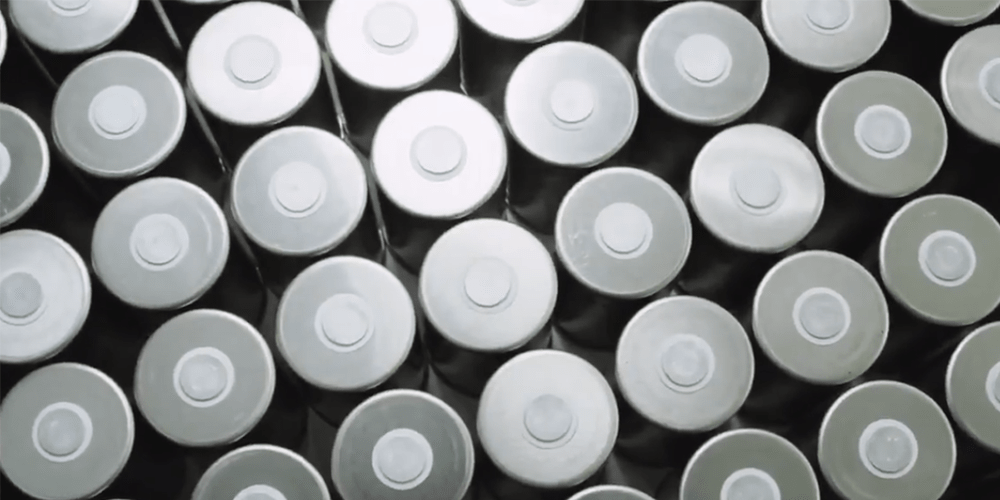
LG Energy Solution, a subsidiary of LG Chem, has long been at the forefront of battery innovation. Its decision to establish a massive battery production facility in Queen Creek, Arizona, marks a significant step in its global expansion strategy. The plant is designed to produce cylindrical batteries, specifically the 46-Series, which are highly sought after by major EV manufacturers like Tesla and Rivian.
The facility spans over 2.3 million square feet and is expected to have an annual production capacity of 40 GWh, enough to power approximately 500,000 electric vehicles annually. This move not only underscores LG Energy Solution’s commitment to meeting the growing demand for EV batteries but also positions it as a key player in the U.S. market, where domestic battery manufacturing is critical to achieving federal incentives and reducing supply chain dependencies.
Why the 46-Series Cylindrical Batteries?
The 46-Series cylindrical batteries represent the next generation of EV powertrains. These large-format cells offer several advantages over traditional prismatic or pouch batteries:
- Higher Energy Density: The larger size allows for greater energy storage, improving vehicle range and performance.
- Cost-Effectiveness: Cylindrical batteries are easier to manufacture at scale, reducing production costs.
- Temperature Control: Their cylindrical design facilitates better thermal management, which is crucial for maintaining battery longevity and safety.
LG Energy Solution’s focus on the 46-Series aligns with industry trends, as major automakers like Tesla and Rivian are increasingly turning to these batteries to power their vehicles.
Strategic Partnerships: Tesla and Rivian
The Arizona plant will primarily supply batteries to two of LG Energy Solution’s most important partners in the U.S. market: Tesla and Rivian.
- Tesla:
LG Energy Solution has been a long-time supplier for Tesla, providing 4680 cylindrical cells for the automaker’s Model Y and upcoming Cybertruck models. The Arizona plant is expected to significantly ramp up production to meet Tesla’s growing demand for batteries as it expands its EV lineup. - Rivian:
Rivian, an American EV startup known for its R1T electric truck and R1S SUV, has also chosen LG Energy Solution as a key battery supplier. The Arizona plant will help Rivian scale up production to meet its ambitious goals of delivering 100,000 vehicles annually by the end of the decade.
These partnerships highlight LG Energy Solution’s strategic focus on building strong ties with U.S.-based EV manufacturers, ensuring a steady supply of batteries for the domestic market.
Challenges and Uncertainties
While the Arizona plant represents a major step forward for LG Energy Solution, it also comes with its share of challenges:
- Supply Chain Risks:
The global semiconductor shortage and raw material price fluctuations have already impacted battery production worldwide. LG Energy Solution must navigate these risks to ensure timely delivery of batteries to its partners. - U.S. Tariff Threats:
President Donald Trump’s administration has hinted at potential tariffs on imported batteries, including those from South Korea. While the Arizona plant is designed to reduce reliance on foreign supply chains, LG Energy Solution remains vulnerable to trade policy changes. - EV Market Volatility:
The U.S. EV market is still maturing, with ongoing competition from traditional automakers and new entrants. LG Energy Solution must stay agile to adapt to shifting consumer preferences and market dynamics.
Despite these challenges, LG Energy Solution remains confident in its ability to overcome obstacles and solidify its position as a leader in the EV battery industry.
Arizona’s Role in Supporting LG Energy Solution
The Arizona Commerce Authority has played a pivotal role in supporting LG Energy Solution’s expansion. The state government is actively engaged in discussions with the federal administration to address potential tariff threats and ensure fair treatment for Korean companies operating in the U.S.
Fernando Garcia, Executive Vice President of International Trade and Investment at the Arizona Commerce Authority, emphasized the importance of maintaining close communication with the federal government to protect LG Energy Solution’s interests. “Arizona is committed to creating a favorable business environment that enables companies like LG Energy Solution to thrive,” he stated.
Conclusion
LG Energy Solution’s $5.5 billion investment in the Arizona battery plant marks a turning point for the company and the EV industry as a whole. By focusing on 46-Series cylindrical batteries, LG Energy Solution is positioning itself at the forefront of innovation while building strong partnerships with key players like Tesla and Rivian.
Despite challenges such as supply chain risks and U.S. trade policies, LG Energy Solution remains optimistic about its future in the American market. As the EV revolution continues to gain momentum, the Arizona plant will play a critical role in driving the adoption of electric vehicles worldwide.
FAQs
1. What is the 46-Series battery?
The 46-Series refers to a large-format cylindrical lithium-ion battery that offers higher energy density and cost-effectiveness compared to smaller formats like the 21700 used in Tesla’s earlier models.
2. How many batteries will the Arizona plant produce annually?
The plant is designed to produce 40 GWh of batteries per year, equivalent to approximately 500,000 EVs.
3. Which companies will receive batteries from the Arizona plant?
LG Energy Solution’s primary partners are Tesla and Rivian, with additional supply potentially extending to other EV manufacturers in the U.S.
Final Thoughts
The Arizona battery plant is more than just a production facility; it’s a symbol of LG Energy Solution’s commitment to innovation, partnerships, and sustainability. As the EV industry continues to grow, companies like LG Energy Solution will play a crucial role in shaping its future. With the Arizona plant at the heart of its operations, LG Energy Solution is well-positioned to lead the charge in the global race for cleaner transportation.
Key Takeaways:
- $5.5 billion investment in a state-of-the-art battery plant in Arizona.
- 40 GWh annual production capacity, serving Tesla and Rivian.
- Focus on 46-Series cylindrical batteries, offering higher energy density and cost-effectiveness.
- Strategic partnerships and government support position LG Energy Solution for success in the U.S. market.