Introduction:
Recently, Patrick Weiler, Member of Parliament for West Vancouver—Sunshine Coast—Sea to Sky Country, the Honourable Rob Fleming, B.C. Minister of Transportation and Infrastructure, and Erinn Pinkerton, President and Chief Executive Officer of BC Transit, unveiled an ambitious plan. The announcement includes a joint investment exceeding $395.5 million to support public transit in British Columbia. This groundbreaking initiative aims to purchase up to 115 Battery Electric Buses (BEBs) and install 134 charging points. By bolstering clean transportation options, this investment aligns with the Government of Canada’s objectives, British Columbia’s emission-reduction goals, and BC Transit’s transition to an electric fleet by 2040. The expansion of BC Transit’s BEB fleet and the installation of charging infrastructure will have far-reaching benefits, including reductions in greenhouse gas emissions, improved air quality, enhanced service experience, and increased ridership across British Columbia.
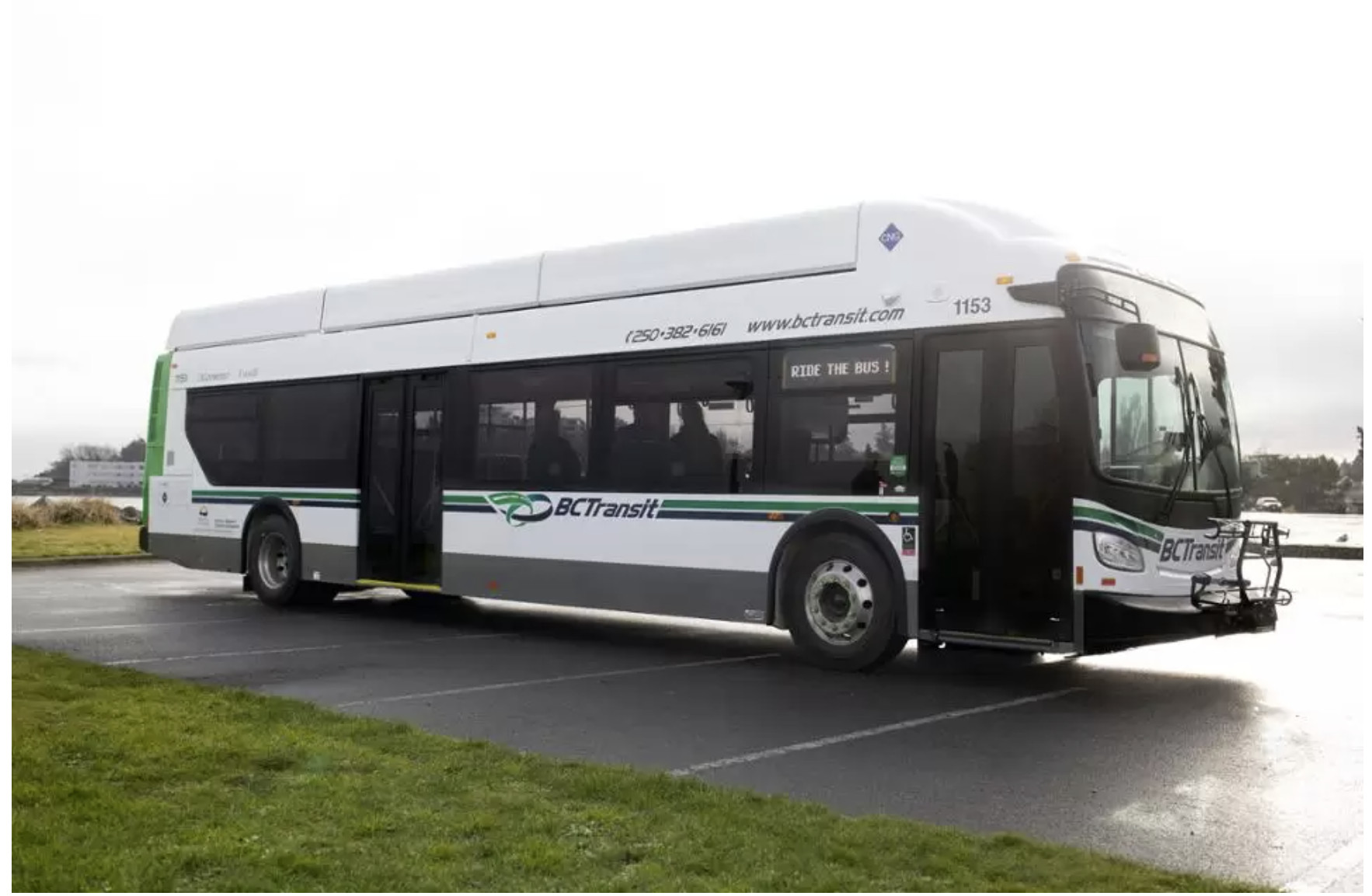
- The Importance of Expanding the BEB Fleet:
The expansion of BC Transit’s BEB fleet is a significant stride towards achieving a sustainable transportation system in British Columbia. Increasing the availability of battery electric buses not only reduces dependency on fossil fuels but also showcases a commitment to combating climate change and enhancing air quality. By investing in 115 BEBs, BC Transit is promoting a shift towards more environmentally friendly transportation alternatives. - Charging Infrastructure: A Key Enabler of Electric Bus Deployment:
Installing 134 charging points across British Columbia is paramount to enable the deployment of the new BEBs. A robust charging infrastructure facilitates seamless operations and ensures the availability of charging facilities for the expanding electric bus fleet. These charging points will not only support the deployment of BEBs but also contribute to increasing public trust and confidence in the reliability of electric transportation. - Contribution to CleanBC Emission-Reduction Goals:
The joint investment made by the Government of Canada, BC Transit, and British Columbia aligns with the CleanBC emission-reduction goals. CleanBC is a comprehensive strategy that focuses on reducing greenhouse gas emissions, shifting towards clean energy, and promoting sustainable transportation. The transition to an electric fleet is a critical component of achieving these goals. By electrifying public transit, this investment will significantly contribute to reducing emissions, making British Columbia a leader in clean transportation. - Advantages of Electric Transit:
Expanding BC Transit’s BEB fleet and charging infrastructure offers various benefits to both the environment and commuters. Firstly, by reducing greenhouse gas emissions and local air pollution, electric buses contribute to improving air quality, leading to healthier communities. Secondly, electric buses are quieter, providing a smoother and more enjoyable service experience for passengers. Lastly, sustainable transportation options like electric buses incentivize more British Columbians to use public transit, reducing congestion on roads and promoting a more sustainable and efficient transportation network. - A Catalyst for Economic Growth and Community Resilience:
Investing in infrastructure, such as the expansion of the BEB fleet and charging infrastructure, demonstrates the Government of Canada’s commitment to growing the country’s economy and building resilient communities. This joint investment not only creates employment opportunities during the procurement and installation process but also fosters the development of a sustainable public transit system. Moreover, increased public transit usage enhances accessibility and connectivity, supporting economic growth by facilitating the movement of people and goods.
Conclusion:
The joint investment of over $395.5 million to support public transit in British Columbia is a commendable endeavor. Through the expansion of BC Transit’s BEB fleet and installation of charging infrastructure, this investment aligns with the Government of Canada’s objectives, CleanBC emission-reduction goals, and BC Transit’s transition to an electric fleet. The decision to embrace sustainable transportation options will bring numerous benefits, including reduced pollution, improved air quality, enhanced service experience, and increased ridership. Furthermore, this investment serves as a testament to the Government of Canada’s commitment to driving economic growth, building resilient communities, and improving the lives of all Canadians.