Munich, September 9, 2025 — At a pivotal moment in the global automotive industry’s transition to electrification, Volkswagen Group delivered a game-changing technological breakthrough at IAA MOBILITY 2025. The German automaker’s battery subsidiary PowerCo officially unveiled the production-ready version of its proprietary unified cell technology, while simultaneously showcasing the world’s first solid-state battery electric motorcycle developed in partnership with US solid-state battery specialist QuantumScape, setting new milestones for global battery technology advancement.

Unified Cell Technology Emerges with Major Energy Density Breakthrough
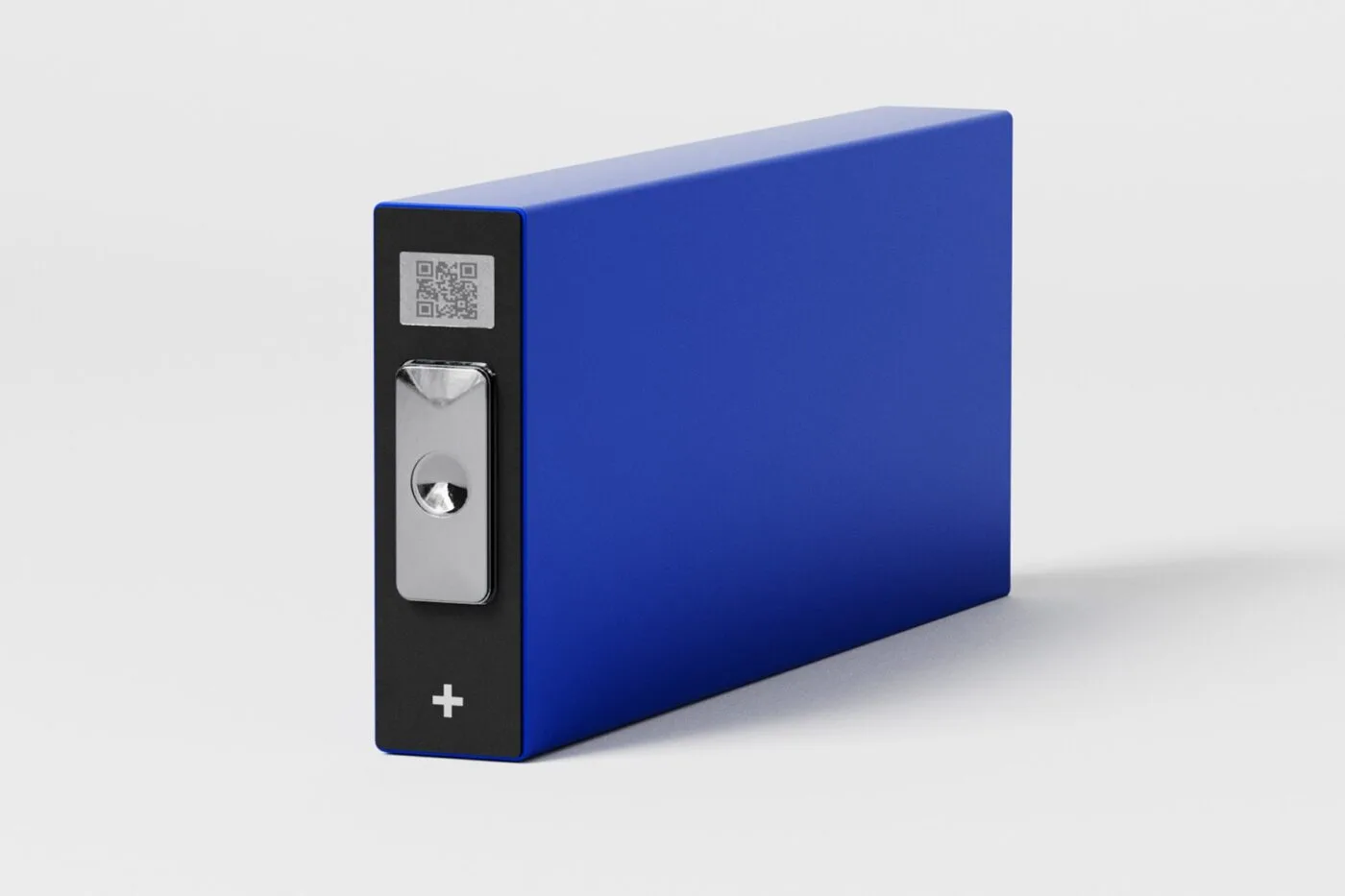
After four and a half years of intensive development, Volkswagen’s unified cell technology has finally reached the production milestone. This revolutionary prismatic battery design will serve as the core power source for the small electric vehicle families from Volkswagen, Škoda, and Cupra brands. Compared to conventional battery technologies, the unified cell achieves a remarkable energy density of 660 Wh/l, representing approximately 10% improvement over previous volume segment products—what Volkswagen Group calls a “huge technological leap forward.”
Even more impressive is PowerCo’s complete redesign of the battery system architecture, implementing advanced cell-to-pack (CTP) technology. This innovative design completely eliminates the traditional module level, installing cells directly into the battery pack, significantly enhancing energy utilization efficiency while laying a solid foundation for future solid-state battery technology applications.
“The unified cell and our battery system are optimally matched to each other,” stated Frank Blome, CEO of PowerCo, during the launch event. “Technologically, our first series production battery cell is absolutely on par with established competitors. We are already working on new customer products with LFP or sodium-ion chemistry. PowerCo is rapidly developing into a global cell manufacturer and the European Battery Tech Driver.”
Solid-State Battery Technology Achieves Major Breakthrough, Accelerating Commercialization
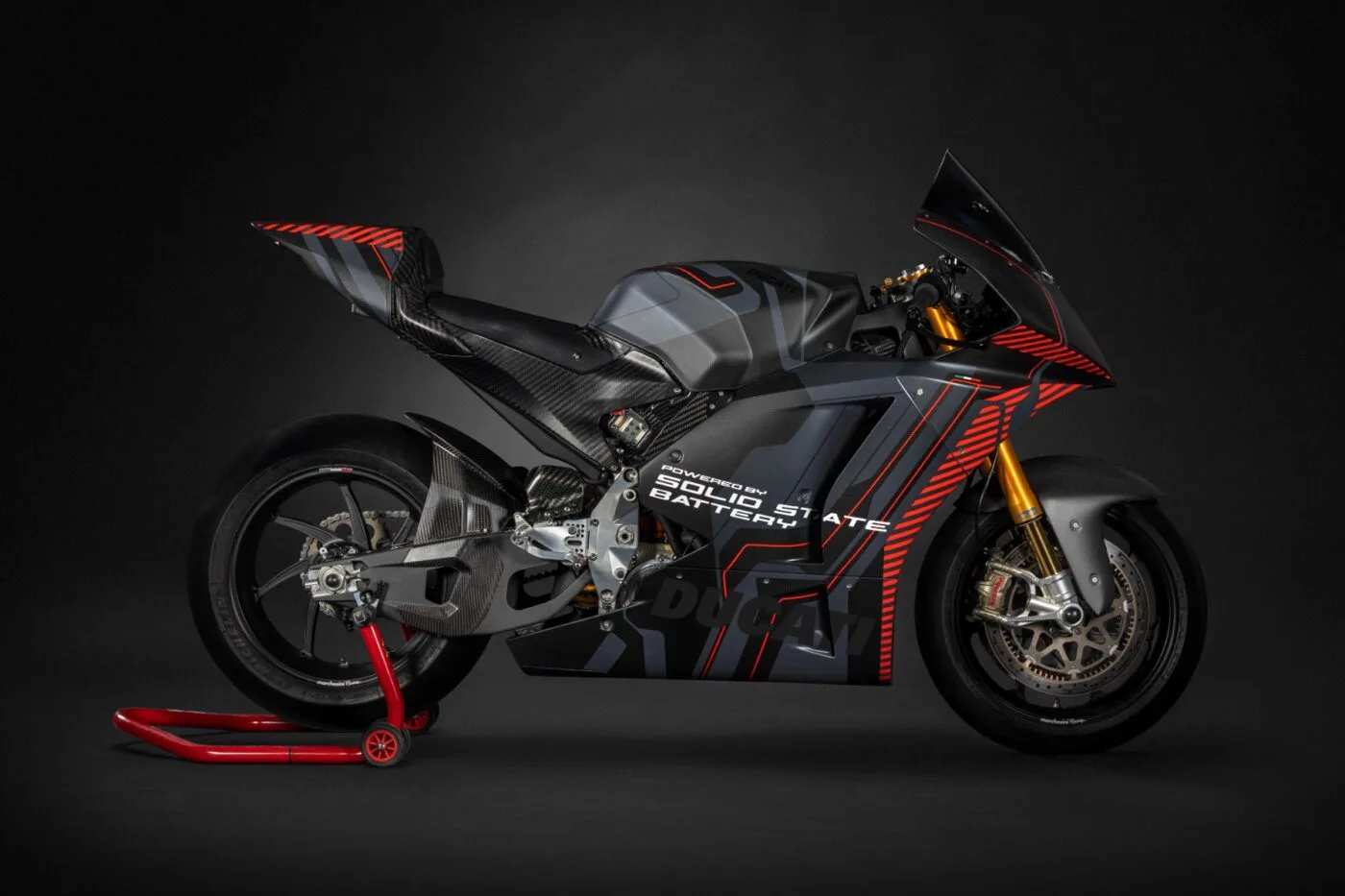
In the exhibition’s most spectacular highlight, Volkswagen Group’s PowerCo and Audi, together with Italian motorcycle manufacturer Ducati, unveiled the world’s first electric motorcycle equipped with QuantumScape solid-state batteries. This technology demonstrator, based on the fully electric Ducati V21L platform but extensively modified, has been specifically optimized for solid-state battery technology requirements.
The electric motorcycle is equipped with up to 980 QuantumScape QSE-5 solid-state cells, utilizing lithium metal anode and ceramic separator technology. According to QuantumScape, the QSE-5 battery delivers 5 Ah capacity, energy density exceeding 844 Wh/l, and charging time of just 12.2 minutes from 10% to 80% state of charge—performance figures that have stunned the industry.
Thomas Schmall, Volkswagen Group Board Member for Technology, emphasized the revolutionary significance of solid-state battery technology: “Solid-state batteries have the potential to become a game changer in e-mobility. Together with our partner QuantumScape, we aim to industrialize the technology and take the next step towards series production. With PowerCo’s unified cell, we have created the perfect match: it is ‘solid state-ready’ and enables rapid technology transfer to the Group’s vehicles as soon as the solid-state battery is ready.”

European Battery Industry Welcomes Historic Opportunity
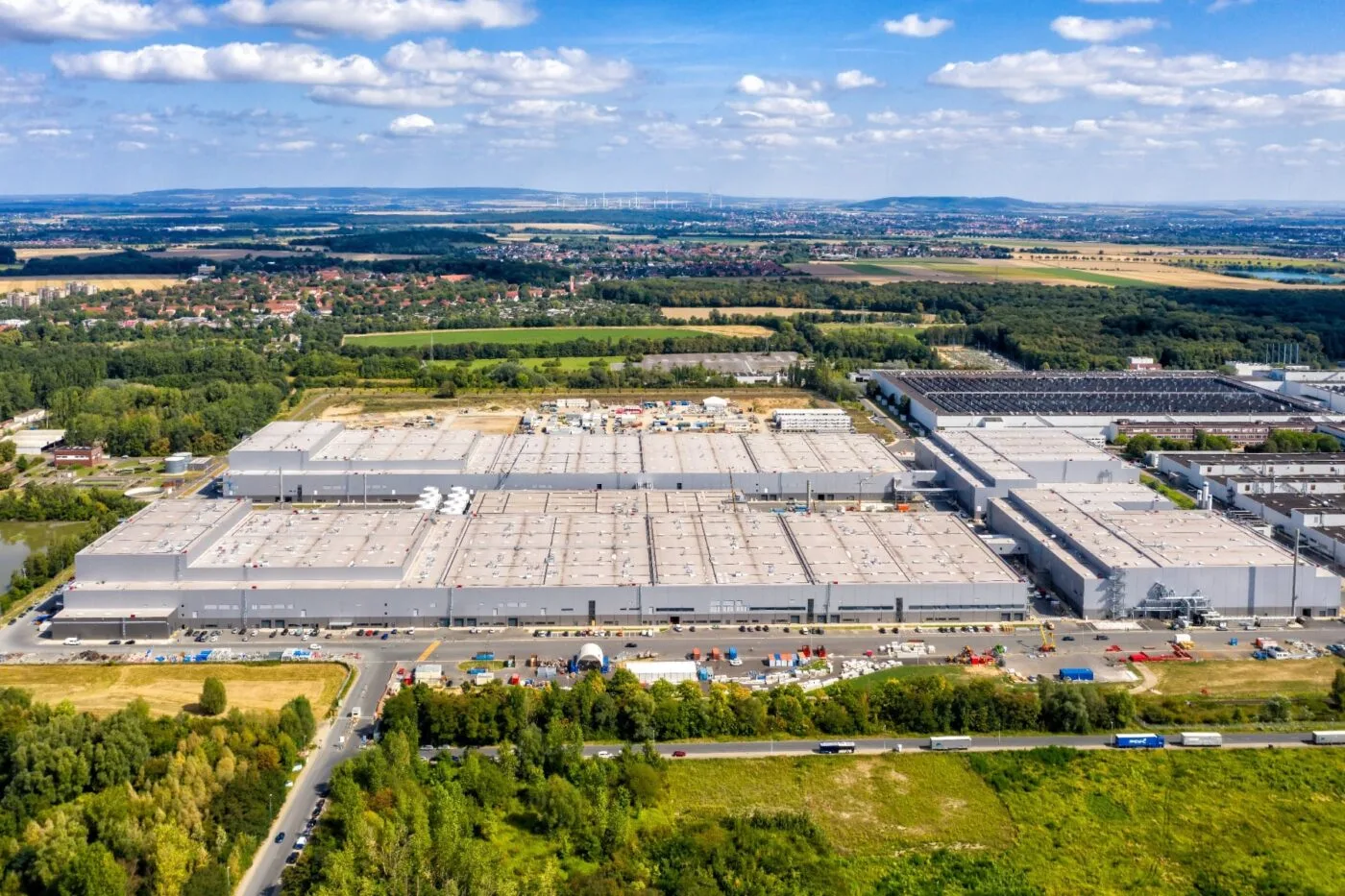
Volkswagen’s major technological breakthrough not only demonstrates the group’s unwavering commitment to electrification transformation but also injects powerful momentum into the European battery industry’s renaissance. The unified cell will first enter production at the large-scale battery factory in Salzgitter, Germany, with production expected to begin by the end of 2025, followed by facilities in Valencia, Spain, and St. Thomas, Canada.
Notably, key raw materials for the unified cell, such as cathode materials, also originate from European production. “This will make the unified cell a milestone for the European automotive industry, which has hardly been represented in battery technology so far,” Volkswagen emphasized.
According to Volkswagen Group’s long-term planning, unified cell technology will be applied to up to 80% of the group’s future electric vehicles across brands and regions. While the cell type remains standardized, battery chemistry will be adjusted according to different application requirements, covering various technology pathways from lithium iron phosphate (LFP) and sodium-ion to nickel manganese cobalt (NMC) and solid-state batteries. This standardization strategy will bring unprecedented economies of scale to Volkswagen Group while maintaining maximum flexibility.
Performance Expectations Impressive, Charging Speed Sets New Records
The Volkswagen, Škoda, and Cupra small electric vehicle families equipped with unified cell technology are expected to achieve up to 450 kilometers of range with charging times reduced to under 25 minutes. While these figures remain forecasted values, they already demonstrate strong competitive capability against market-leading products.
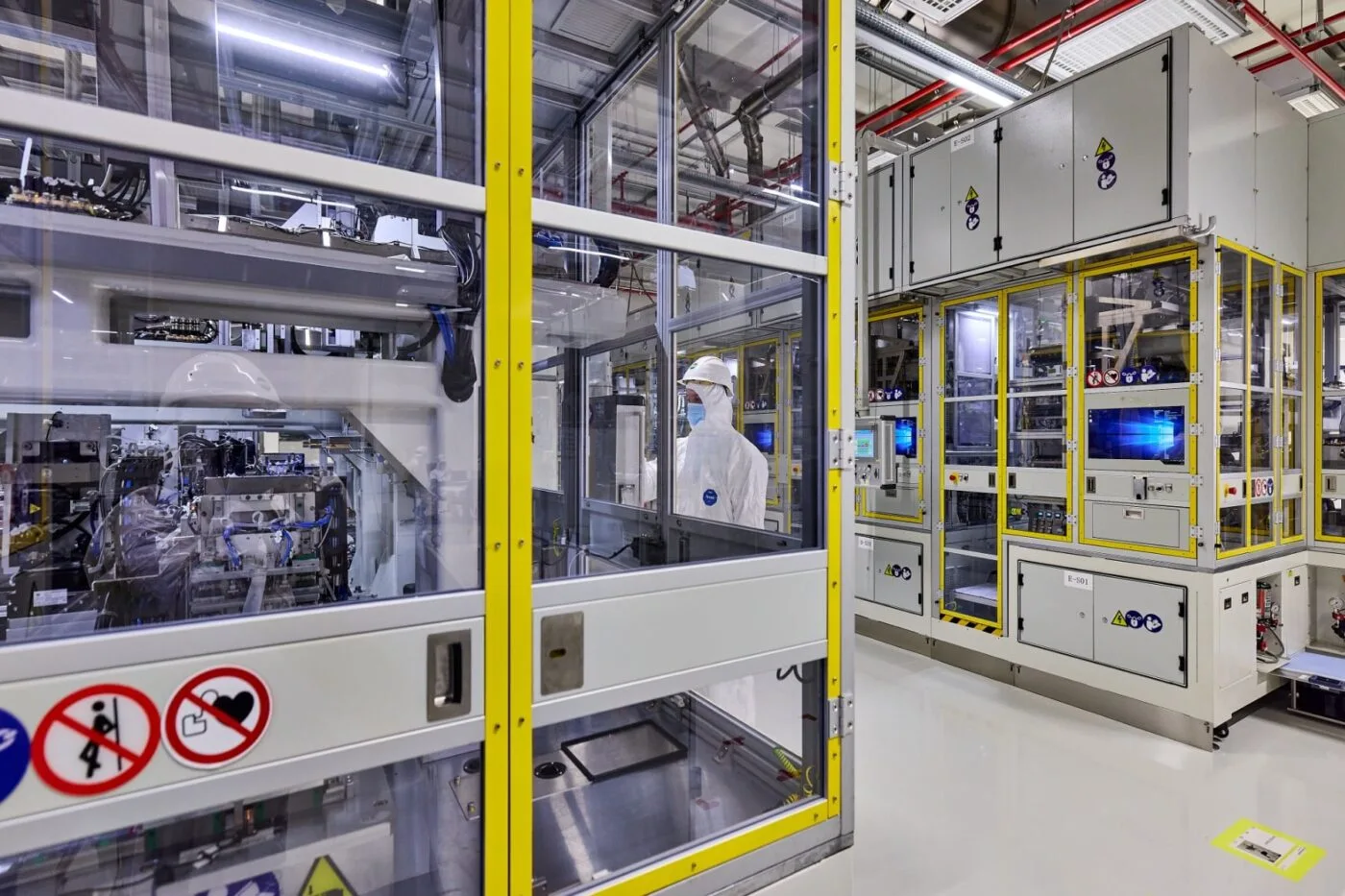
In terms of manufacturing processes, Volkswagen revealed that essential components of the battery system will be produced using large-scale casting processes, bringing additional weight advantages. Simultaneously, significant cost reductions have been achieved compared to previous battery products, though specific savings figures have not been disclosed. Looking back to 2021, Volkswagen Group announced intentions to reduce costs by an average of 30%, with cost reductions for smaller vehicles reaching up to 50%.
Supply Chain Layout Increasingly Comprehensive, Partner Network Continuously Expanding
Beyond technological breakthroughs, Volkswagen demonstrates forward-thinking strategic vision in supply chain layout. The unified cell will not only be developed and produced by PowerCo independently but will also establish partnerships with external suppliers, ensuring rapid capacity expansion and continuous technology optimization.
In the solid-state battery field, Volkswagen’s collaboration with QuantumScape continues to deepen. In July this year, both parties announced further expansion of their strategic cooperation and licensing agreement, with Volkswagen becoming a significant shareholder in the US company through multiple investment rounds. According to the agreement, PowerCo’s goal is to achieve commercial solid-state battery applications within a decade, establishing gigawatt-hour scale mass production capabilities.
Siva Sivaram, CEO of QuantumScape, stated: “Today, QuantumScape solid-state batteries moved closer to commercial reality. For more than a decade, we’ve worked closely with the Volkswagen Group to advance our breakthrough technology that delivers the range, fast charging, and safety that EV drivers want. Our focus now is on bringing this technology to market and redefining what high-performance electric mobility can be.”
Global Electrification Competition Landscape Faces Reshaping
Volkswagen’s technology launch at IAA 2025 comes at a critical juncture in the global automotive industry’s electrification transformation. Facing fierce competition from Chinese new energy vehicle enterprises and continuous innovation pressure from electric vehicle pioneers like Tesla, traditional European automotive giants are accelerating technology development and supply chain integration.
IAA MOBILITY 2025 exhibition data shows that this year’s show attracted over 630 exhibitors, with Chinese companies’ participation surging from over 70 in 2023 to 103, covering vehicle manufacturing, three-electric systems, and automotive intelligence software and hardware across all sectors. In such a competitive environment, Volkswagen’s choice to simultaneously focus on technological innovation and supply chain control dimensions is undoubtedly a wise strategic decision.
Volkswagen Group CEO Oliver Blume expressed satisfaction with the group’s technological progress: “We have taken key technologies of e-mobility—such as battery cells, battery systems and electric drives—into our own hands and can thus develop the best solutions for our customers. At the same time, we are strengthening Europe as an automotive location through regional, resilient and sustainable development and production. Our first Group vehicle with a solid-state battery, the electric urban car family equipped with our new unified cell, and the construction of Elli’s first large-scale storage system in Salzgitter are further milestones on our way to becoming a global technology driver in the automotive industry.”
Technology Validation Enters New Phase, Track Testing to Begin Soon
Notably, Volkswagen has not stopped at technology demonstration. Project partners indicate they will continue testing solid-state technology in the coming months. The next important milestone is developing a race-ready motorcycle for track testing, accumulating valuable data for final commercial application of solid-state battery technology through extreme condition performance validation.
Simultaneously, PowerCo and QuantumScape are actively advancing integration of solid-state battery technology into the unified cell platform, preparing for eventual passenger vehicle applications. These series of initiatives demonstrate Volkswagen’s confidence in solid-state battery technology’s commercial prospects and their all-out sprint toward achieving the “commercialization within a decade” goal.
Manufacturing Innovation and Cost Optimization
The unified cell’s manufacturing approach represents a significant departure from traditional battery production methods. Volkswagen has implemented innovative large-scale casting processes for essential battery system components, delivering both weight advantages and cost efficiencies. The cell-to-pack design eliminates module-level assembly, streamlining production while maximizing energy density within the available space.
PowerCo’s manufacturing strategy emphasizes both technological advancement and economic viability. The company aims to establish a network of six gigafactories across Europe by 2030, with total capacity reaching 240 GWh annually. This aggressive expansion plan positions PowerCo not just as Volkswagen’s captive supplier but as a potential battery technology provider for third-party automotive manufacturers.
The Salzgitter facility, representing Europe’s largest automotive battery production investment, will serve as the template for standardized factory design across PowerCo’s global network. This “standard factory” concept enables rapid deployment of proven manufacturing processes while maintaining consistent quality standards across different geographical locations.
Competitive Landscape Analysis and Market Positioning
Volkswagen’s unified cell strategy directly challenges the current battery technology paradigm dominated by Asian manufacturers. By developing proprietary battery technology, the German automaker aims to reduce dependency on external suppliers while capturing more value across the electric vehicle supply chain.
The timing of this announcement coincides with increasing geopolitical tensions around battery supply chain security and European Union initiatives to establish domestic battery manufacturing capabilities. Volkswagen’s investment in European battery production aligns with broader continental strategies to reduce reliance on Asian battery suppliers and establish technological sovereignty in critical automotive components.
Industry analysts note that Volkswagen’s approach differs significantly from competitors who have largely relied on partnerships with established battery manufacturers. By building internal capabilities through PowerCo, Volkswagen gains greater control over battery specifications, production timing, and cost structures—advantages that become increasingly important as electric vehicle competition intensifies.
Technology Roadmap and Future Applications
The unified cell architecture’s “solid-state ready” design represents forward-thinking engineering that anticipates future technology transitions. As solid-state batteries mature from laboratory prototypes to commercial products, Volkswagen’s standardized cell platform can accommodate the technology transition without requiring complete system redesigns.
This architectural flexibility extends beyond solid-state technology to encompass various battery chemistries optimized for different vehicle segments and use cases. Premium vehicles may utilize high-energy-density NMC chemistry for maximum range, while cost-sensitive models could employ LFP technology for optimal price-performance ratios.
The unified cell platform also supports Volkswagen’s broader electrification strategy, enabling economies of scale across the group’s diverse brand portfolio. From compact city cars to luxury SUVs, the standardized cell format reduces development costs and complexity while allowing brand-specific optimization through different pack configurations and thermal management systems.
Conclusion: The Dawn of European Battery Industry Renaissance
Volkswagen’s technological achievements showcased at IAA 2025 represent more than a single company’s breakthrough—they signal European automotive industry’s renewed competitiveness in global electrification competition. From unified cell technology’s production readiness to solid-state battery technology’s successful validation and comprehensive supply chain strategic positioning, Volkswagen is demonstrating through concrete actions that European automotive industry retains the capability and determination to lead global development in the new era.
With unified cell production beginning by the end of 2025 and solid-state battery technology’s commercial application within a decade, the global new energy vehicle industry landscape is poised for another profound transformation. In this technological race that will determine future mobility patterns, Volkswagen has demonstrated formidable competitive advantages, while the European battery industry’s renaissance has officially begun.
The convergence of technological innovation, strategic supply chain positioning, and ambitious production scaling represents a watershed moment for European automotive competitiveness. As the industry transitions from internal combustion to electric propulsion, Volkswagen’s comprehensive battery strategy positions the company—and by extension, European automotive manufacturing—for sustained leadership in the electric mobility era.