The BMW Group has commenced construction on a new high-voltage battery assembly plant in Woodruff, South Carolina. This new facility, called BMW Group Plant Woodruff, will be responsible for manufacturing sixth-generation batteries to supply fully electric vehicles at the nearby BMW Manufacturing plant in Spartanburg. The construction of Plant Woodruff is expected to create over 300 job opportunities, with the potential for further growth.
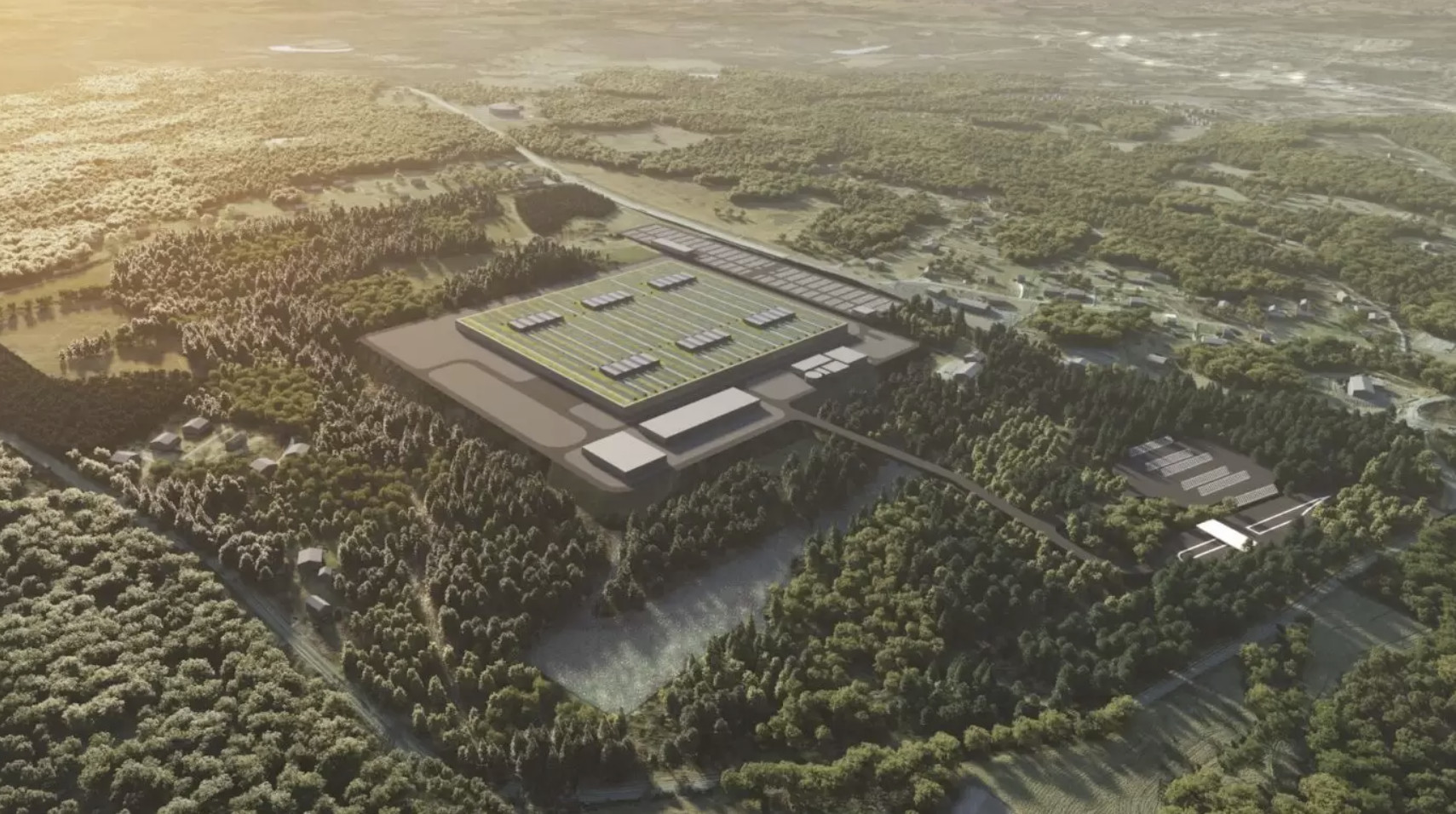
In October 2022, the BMW Group announced a significant investment of $1.7 billion in its U.S. operations. This investment includes $1 billion allocated to prepare Plant Spartanburg for the production of fully electric vehicles and $700 million for the construction of a new high-voltage battery assembly plant in Woodruff. The Woodruff facility will cover an area of approximately 100 acres and will include the construction of a technology building, as well as support buildings such as a cafeteria, fire department, and energy center.
Markus Fallböhmer, Senior Vice President of Battery Production at BMW AG, emphasized the company’s commitment to advancing the transition to electromobility. He stated that cutting-edge production facilities for high-performance high-voltage batteries are crucial in this journey. The close connection between battery production and vehicle production is an integral part of BMW’s strategy.
As part of its “local for local” approach, the BMW Group will procure battery cells for its electric vehicles from partner AESC. AESC is currently constructing a new 30 GWh battery cell factory in Florence, South Carolina. The newly developed round lithium-ion battery cells produced by AESC will be specifically designed for the sixth generation of BMW eDrive technology. These batteries will offer increased energy density by more than 20% and will enhance charging speed and range by up to 30%.
The BMW Group is placing a strong emphasis on minimizing the carbon footprint and resource consumption throughout the production process, starting from the supply chain. The cell manufacturers will incorporate cobalt, lithium, and nickel that contain a percentage of secondary material, which refers to raw materials that have already been used and recycled. By exclusively utilizing green power from renewable energies for battery cell production, the BMW Group aims to reduce the carbon footprint of the production process by up to 60%.
BMW Group Plant Woodruff, as the next BMW iFACTORY, will adhere to high ecological standards. The site will operate without the use of fossil fuels and will rely on 100% green electricity. The BMW Group has set a target to reduce CO2 emissions in its global production network by 80% by 2030 in comparison to 2019 levels.
To further promote sustainability, the roofs of the plant buildings will be equipped for the installation of photovoltaic systems to generate solar power. Intelligent LED lighting, equipped with motion detectors and efficient dimming strategies, will reduce energy consumption and minimize light emissions. The high-voltage battery assembly process will require minimal water usage, as rainwater will be collected and utilized for purposes outside of production. Additionally, an innovative construction technology will involve injecting captured CO2 into the fresh concrete mixture, permanently sequestering CO2 at a molecular level and enhancing the strength of the concrete.
Since 1992, the BMW Group has invested approximately $12.4 billion in its South Carolina operations. BMW Manufacturing, located in Spartanburg, is the largest BMW Group plant globally, producing over 1,500 vehicles daily. In 2022, approximately 60% of BMW vehicles sold in the U.S. came from Plant Spartanburg. The factory has an annual production capacity of up to 450,000 vehicles and employs more than 11,000 individuals.