Tesla Accelerates Power Infrastructure Development
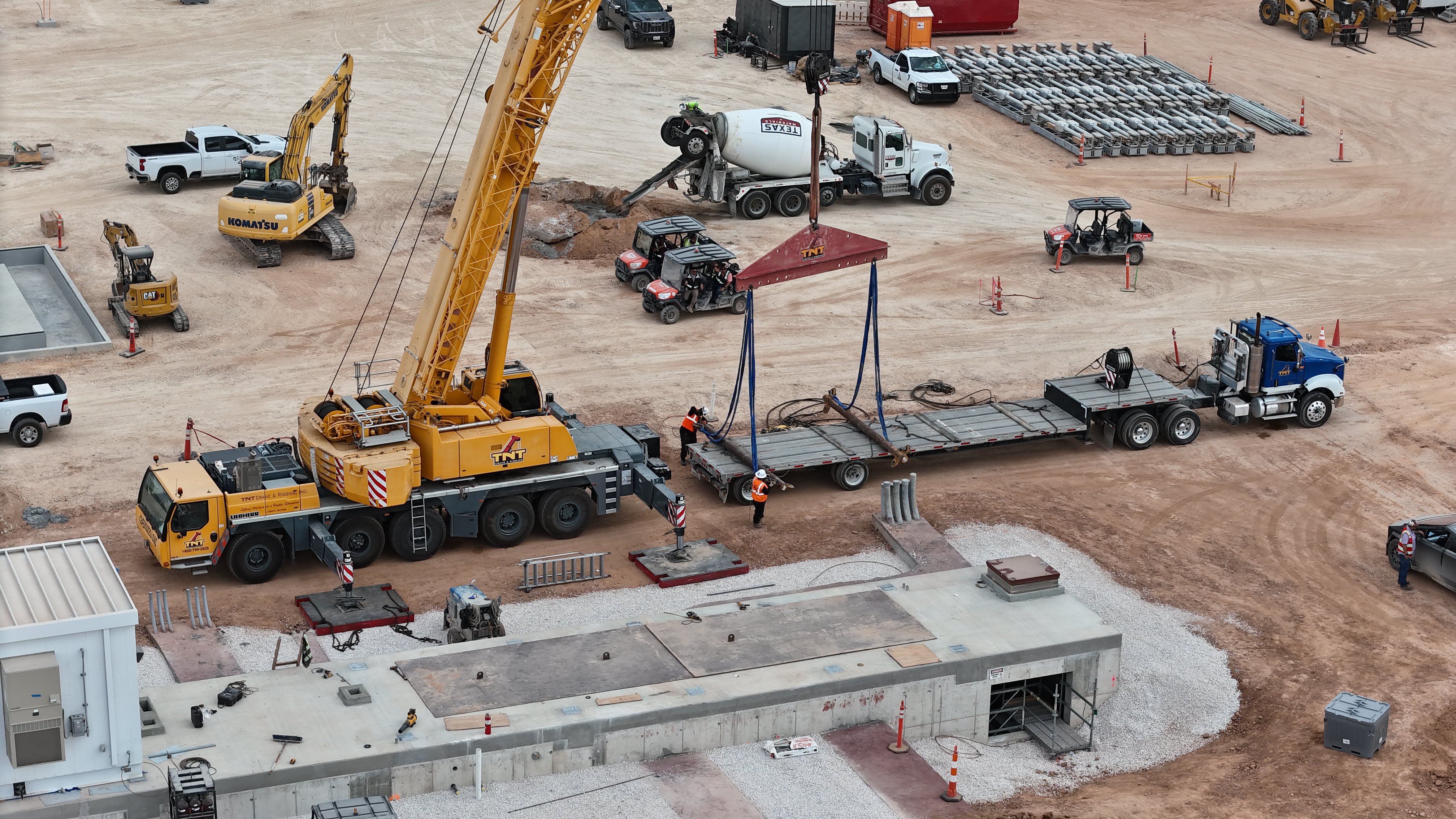
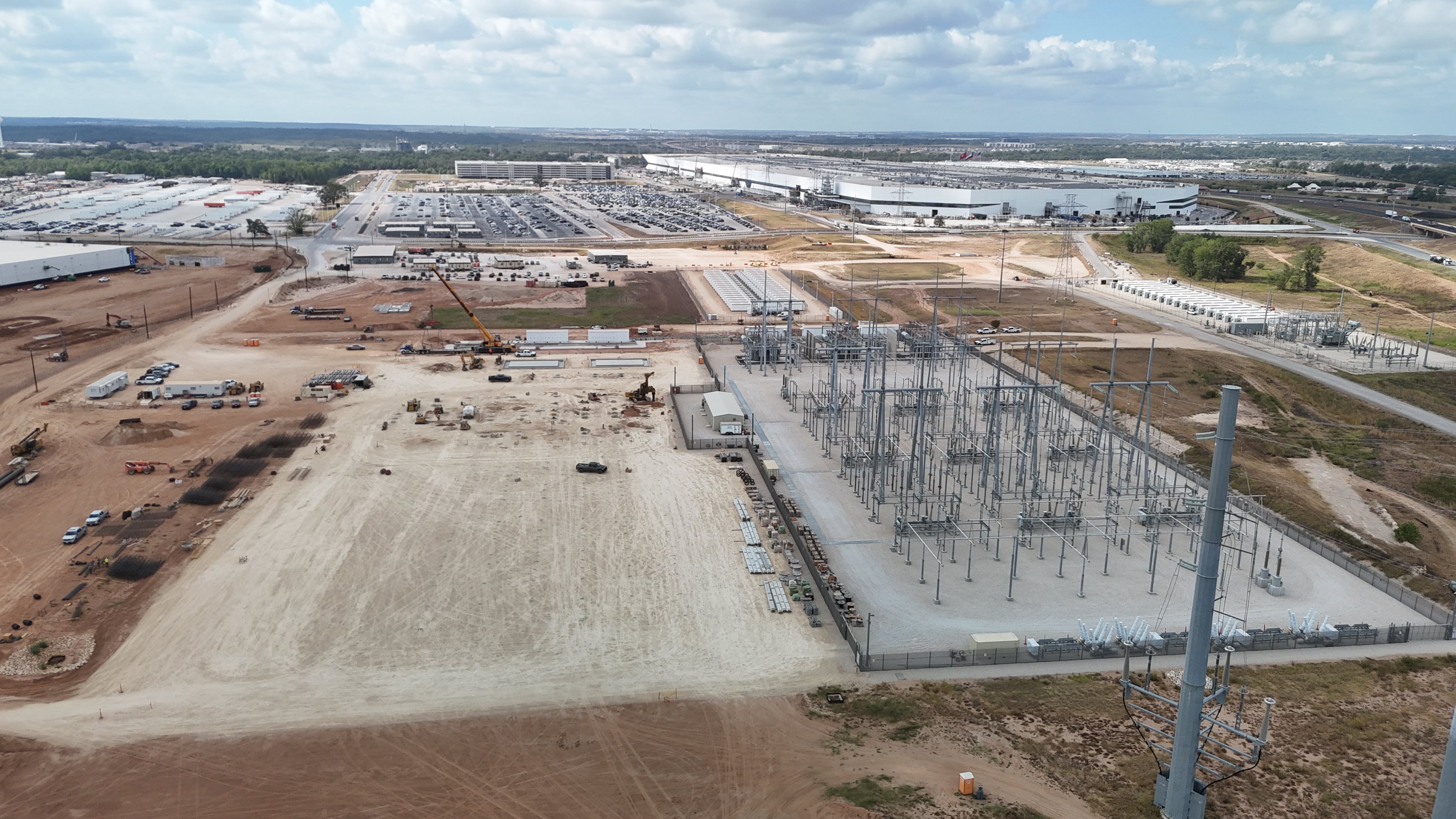
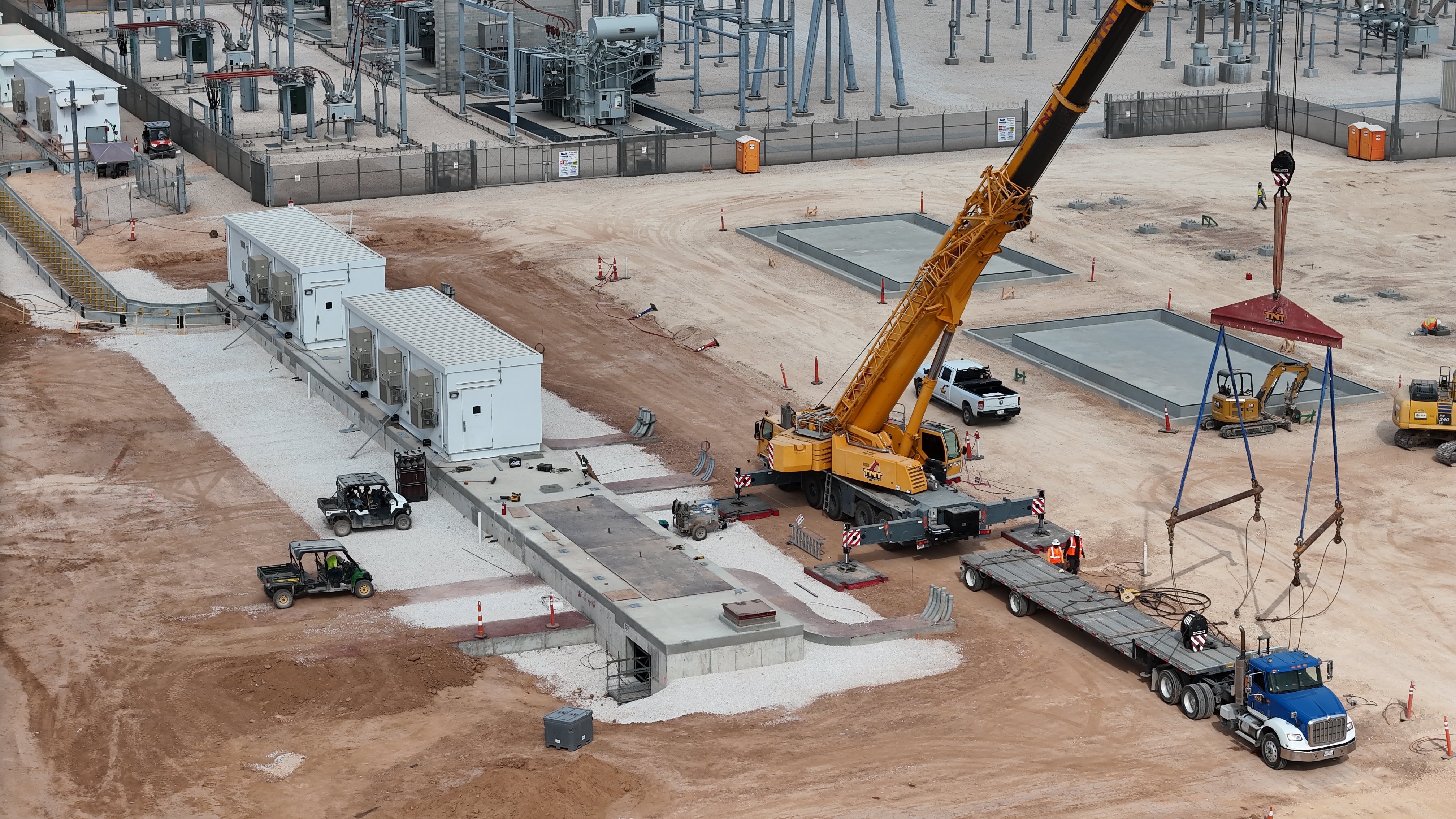
According to recent reports, Tesla’s Giga Texas superfactory in Austin, Texas, is rapidly advancing its electrical switchyard expansion project. Cranes are being set up on-site to prepare for the arrival of two giant transformers. These transformers will be installed on newly constructed support slabs and catch basins, with foundation construction for steel beams, A-frames, and other mounting structures progressing simultaneously.
The core purpose of this expansion is to provide sufficient electrical power to support the facility’s data center operations, particularly to power the supercomputing cluster project known as “Cortex 2.0.” This project is likely closely related to Tesla’s Full Self-Driving (FSD) AI model training and Optimus humanoid robot development.

AI Driving Global Data Center Power Demand Explosion
Tesla’s expansion is not an isolated case but rather a microcosm of the global AI data center construction wave. According to International Energy Agency (IEA) research, global data center electricity consumption is projected to double by 2030, reaching approximately 945 terawatt-hours (TWh), accounting for nearly 3% of total global electricity consumption. From 2024 to 2030, data center electricity consumption is expected to grow at approximately 15% annually, more than four times faster than the growth rate of electricity consumption across all other sectors.
This trend is even more pronounced in the U.S. market. Data shows that U.S. data center power demand is projected to grow from 35 gigawatts (GW) in 2024 to 78 GW by 2035, with energy consumption jumping from 224 TWh in 2025 to 606 TWh by 2030. By 2035, data centers will account for 8.6% of U.S. electricity demand, more than double their current 3.5% share.
The primary driver of this growth is artificial intelligence. AI-accelerated server electricity consumption is growing at an annual rate of 30%, far exceeding the 9% growth rate of traditional servers. Training complex AI models requires enormous computing power—for example, GPT-4 training alone required approximately 30 megawatts of power.
Goldman Sachs Research predicts that global data center power demand could increase by 165% by the end of 2030. Currently, the global data center market uses approximately 55 GW of power, with cloud computing workloads accounting for 54%, traditional business functions 32%, and AI 14%.
Battery Energy Storage Systems Become Critical Support Infrastructure
Stable data center operations depend on reliable backup power systems. Traditional data centers typically use a combination of Uninterruptible Power Supply (UPS) systems and diesel generators. However, traditional UPS batteries only provide 5-10 minutes of runtime, requiring time for diesel generators to start up. Large AI data center generators typically require several minutes from startup to stable output, during which time they are entirely dependent on Battery Energy Storage Systems (BESS).
New battery energy storage systems are transforming this landscape. Modern BESS can simultaneously function as both UPS and backup generators, providing 4-8 hours of backup power and integrating two functions into a single solution. This not only significantly reduces capital expenditure but also improves system scalability.
Specialized solutions have emerged in the market to address the unique needs of AI data centers. Some companies have developed next-generation UPS systems using silicon-carbon anode technology that can reduce space requirements by 30% and lower total cost of ownership, with commercial availability expected in the first quarter of 2026.
Notably, the manufacturing of energy storage battery systems is itself a significant consumer of copper materials. Lithium-ion batteries use copper foil as the anode current collector, with copper foil accounting for approximately 13% of the total battery mass and about 8% of the cost. As data center demand for BESS and UPS systems surges, the copper foil requirements for battery manufacturing are growing in parallel, further driving up global copper material demand.
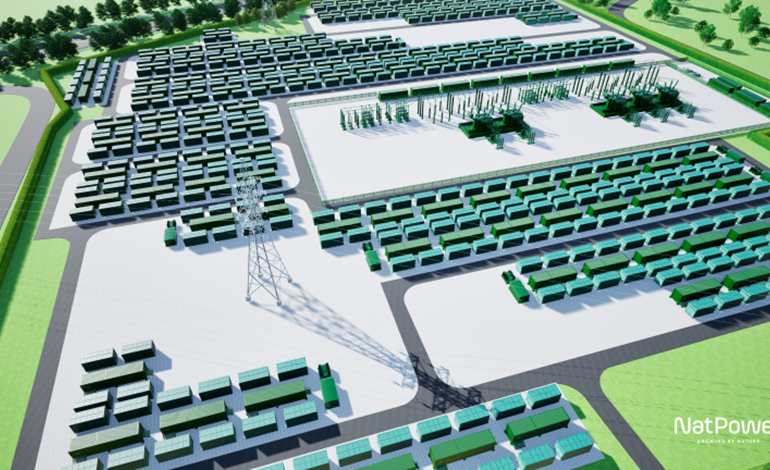
For Tesla, as a global leader in battery manufacturing, deploying its own Megapack energy storage systems at Giga Texas offers natural advantages. These storage systems can serve not only as UPS backup but also for grid stabilization and peak/off-peak electricity price arbitrage, improving energy efficiency.
Copper Demand Surges with Data Center Construction
Large-scale data center construction is driving rapid growth in copper material demand. According to research by the National Electrical Manufacturers Association (NEMA) and the Copper Development Association (CDA), approximately 30-40% of data center construction involves electrical equipment, all of which contains copper materials.
Copper applications in data centers are extensive. First, electricity must be transmitted from power plants and utilities to data centers through copper wiring. Second, transformers and switchgear all contain significant amounts of copper. More importantly, the adoption of liquid cooling technology requires copper cooling plates for each computer chip, with approximately 30% of energy demand related to cooling.
Based on an intensity of 40 tons of copper per megawatt, by 2030, the data center industry could require approximately 1.1 million metric tons of copper annually, representing about 2.8% of global copper demand. This figure continues to grow because next-generation AI data centers have higher power density, requiring more copper to safely manage, transmit, and ground electricity.
The two giant transformers Tesla is installing at Giga Texas, along with related distribution systems, necessarily involve substantial copper material investment. This is reflected not only in the transformers themselves but also in the entire electrical switchyard’s distribution lines, grounding systems, and other infrastructure.
AI Computing Race Enters White-Hot Phase
Tesla’s advancement of the Cortex 2.0 project reflects the intense competition among technology companies in the AI computing race. This supercomputing cluster needs to process video data from millions of Tesla vehicles to train Full Self-Driving neural networks.
AI server power requirements are growing exponentially. Traditional server racks require approximately 15 kilowatts, while the latest generation of AI servers requires 120 kilowatts per rack, with Nvidia’s latest generation reaching as high as 300 kilowatts. This surge in power density presents unprecedented challenges for data center power supply and cooling systems.
Generative AI development may require 50-60 GW of additional infrastructure investment. To meet this demand, technology giants are making massive investments. Microsoft recently signed an agreement worth over $10 billion with Brookfield Asset Management to develop 10.5 GW of renewable energy capacity in the U.S. and Europe between 2026 and 2030. OpenAI and Oracle have also established a partnership to build 4.5 GW of data center capacity, enough to power millions of American homes.
Unlike fragmented markets such as electric vehicles or heat pumps, a handful of financially powerful technology companies dominate the data center industry. These companies include hyperscale data center operators such as Google, Amazon, Microsoft, and Meta, all of which have committed to using only carbon-free energy by 2030.
Infrastructure Construction Faces Major Challenges
Despite strong demand, actual data center construction faces numerous real-world challenges. In the United States, from initial steps to full operation, data center development typically takes approximately 7 years, including 4.8 years of pre-construction preparation and 2.4 years of actual construction.
Power supply is one of the biggest bottlenecks. In large markets with concentrated data centers such as Northern Virginia, lead times for powering new data centers can exceed 3 years, and in some cases, electrical equipment delivery times can reach 2 years or more. Natural gas turbines are essentially sold out through the end of the decade, while advanced nuclear energy technologies are not expected to reach commercial scale until the early 2030s.
Grid infrastructure investment is also crucial. Goldman Sachs Research estimates that approximately $720 billion in grid spending may be needed through 2030. The permitting process for these transmission projects can take several years, followed by several more years for construction—potentially creating another bottleneck for data center growth if regions are not proactive given the long lead times.
The surge in data center electricity demand is also driving up electricity prices. In 2020, wholesale electricity prices averaged around $16 per megawatt-hour nationally. By 2025, prices have become highly location-dependent, with some markets seeing wholesale electricity prices more than double since 2020. Research found that over 70% of nodes recording price increases are located within 50 miles of significant data center activity.
Dual Challenge of Sustainable Development
The data center industry faces the dual challenge of economic growth and environmental protection. On one hand, the development of AI technology is crucial for the economy and national security. On the other hand, the massive energy consumption and carbon emissions from data centers raise environmental concerns.
Renewable energy is considered a key solution. Solar and wind power coupled with large-scale battery storage are reliable power sources. Over 90% of power projects waiting for grid connection are solar, battery storage, or wind projects. However, current deployment speeds for renewable energy and nuclear power are insufficient to meet rapidly growing demand.
Meta recently signed a 20-year power purchase agreement with Constellation to use output from the Clinton Clean Energy Center nuclear power plant in Illinois. Google’s data center in Chile integrates wind power for both primary and backup power. These cases demonstrate technology companies’ efforts to pursue clean energy.
As a leader in renewable energy and energy storage technology, Tesla is likely to adopt more environmentally friendly solutions in its Giga Texas data center construction, including solar power generation and Megapack energy storage systems. This aligns with the company’s sustainable development philosophy while reducing long-term operational costs.
Future Outlook
Tesla’s Giga Texas electrical expansion project is merely one snapshot of the global AI infrastructure construction wave. As artificial intelligence technology rapidly develops, demand for computing power will continue to climb, driving robust growth in related industries including data centers, electricity, energy storage, and copper materials.
This AI-driven energy revolution is reshaping the global energy landscape. It requires not only massive infrastructure investment but also coordinated advancement across multiple dimensions including technological innovation, policy support, and environmental protection. For companies like Tesla with deep expertise in AI, energy, and manufacturing, this represents both challenges and opportunities.
The advancement of the Cortex 2.0 project marks Tesla’s continued investment in autonomous driving and artificial intelligence. As power infrastructure is completed, we have reason to expect Tesla to achieve greater breakthroughs in FSD technology and Optimus robot development. Behind this lies the collective progress of the entire supply chain in electricity, energy storage, materials, and other fields.